
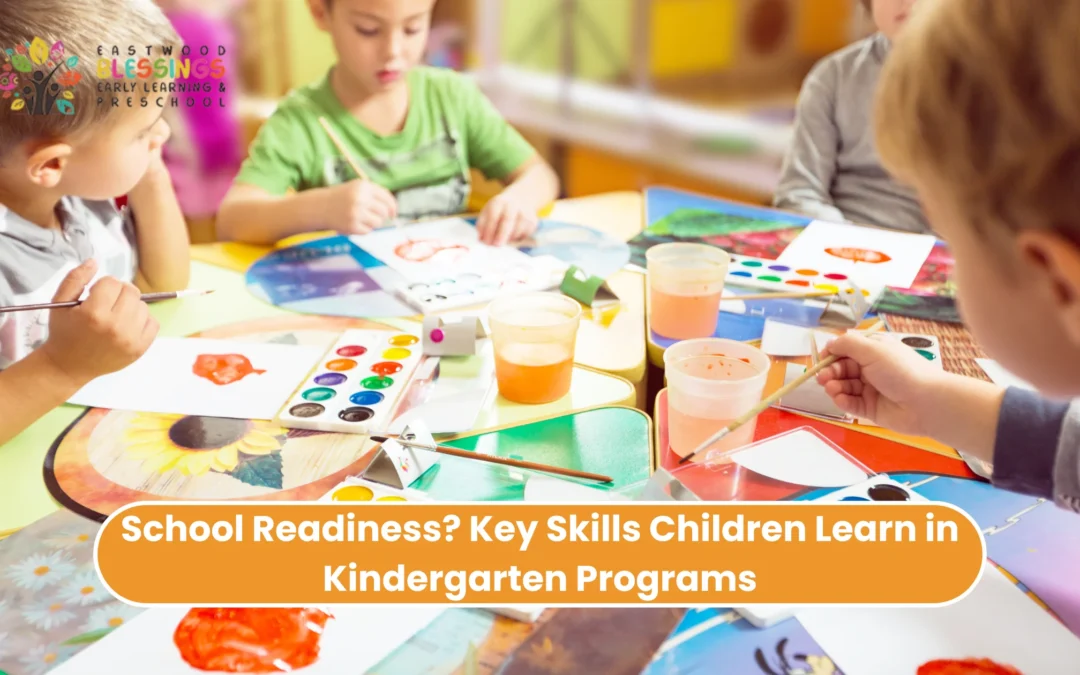
Starting school is an exciting milestone for children and families. However, being ready for school involves much more than knowing the alphabet or counting numbers. Children need a combination of social, emotional, physical, and cognitive skills that help them adapt to a classroom environment and participate confidently in learning.
This is where quality School Readiness Programs play an important role. They help children develop the skills needed for a successful transition into primary school while building confidence, independence, and a positive attitude toward learning.
For families seeking quality Preschool Eastwood programs, understanding school readiness can help them make informed decisions about their child’s early education journey.
What Is School Readiness?
School readiness refers to a child’s ability to successfully transition into a school environment and participate in learning experiences appropriate for their age.
It is not about expecting children to master advanced academic concepts before starting school. Instead, it focuses on helping children develop a broad range of foundational skills that support learning, communication, social interaction, and independence.
Strong school readiness skills Australia educators focus on include:
- Communication and language skills
- Early literacy and numeracy understanding
- Emotional regulation
- Social interaction
- Independence and self-help skills
- Physical coordination
- Listening and concentration
Together, these skills help children feel prepared and confident when they begin school.
Why School Readiness Matters
Children who enter school with strong foundational skills often find it easier to adapt to new routines, build friendships, and engage in learning activities.
Benefits of school readiness include:
- Greater confidence in new environments
- Better social interactions
- Improved communication skills
- Increased independence
- Stronger learning engagement
- Smoother transition into school
Quality kindergarten and Preschool Learning Programs help children build these skills gradually through age-appropriate experiences.
Key School Readiness Skills Children Learn in Kindergarten Programs
1. Communication and Language Skills
Communication is one of the most important skills children need before starting school.
Kindergarten programs help children learn how to:
- Express thoughts and ideas
- Ask questions
- Follow instructions
- Participate in conversations
- Listen to others
Through storytelling, discussions, songs, and group activities, children build vocabulary and confidence in communication.
Strong language development supports future reading, writing, and classroom participation.
2. Early Literacy Skills
One of the core kindergarten learning outcomes is developing early literacy skills.
Children are introduced to literacy concepts through engaging and play based experiences rather than formal academic instruction.
Early literacy development may include:
- Letter recognition
- Listening to stories
- Understanding books
- Recognising sounds in words
- Building vocabulary
- Developing pre-writing skills
These experiences provide a strong foundation for future reading success.
3. Early Numeracy Skills
Quality kindergarten programs also focus on early literacy, numeracy, and childcare foundations.
Children learn basic mathematical concepts through everyday experiences and play.
Examples include:
- Counting objects
- Number recognition
- Sorting and matching
- Recognising patterns
- Understanding shapes
- Comparing sizes and quantities
These activities help children develop confidence with numbers before entering school.
4. Social Skills and Relationship Building
School involves interacting with teachers, classmates, and other adults throughout the day.
Kindergarten programs help children learn important social skills such as:
- Sharing
- Taking turns
- Working in groups
- Building friendships
- Respecting others
- Solving simple conflicts
These experiences help children feel more comfortable in classroom settings.
5. Emotional Regulation
Emotional readiness is just as important as academic readiness.
Children need to learn how to manage emotions and respond appropriately in different situations.
Through supportive guidance, children learn:
- How to express feelings
- How to cope with frustration
- How to manage disappointment
- How to develop resilience
- How to build self-confidence
Strong emotional skills help children adapt more easily to school routines and expectations.
6. Independence and Self-Help Skills
School requires children to complete many everyday tasks independently.
A key focus of School Readiness Programs is helping children develop practical life skills.
These include:
- Washing hands independently
- Managing personal belongings
- Following routines
- Packing away materials
- Making simple decisions
- Taking responsibility for tasks
These skills help children feel capable and confident when they start school.
7. Listening and Attention Skills
Classroom learning requires children to listen, concentrate, and follow instructions.
Kindergarten programs gradually develop these skills through:
- Group discussions
- Storytime
- Learning activities
- Games and structured experiences
Children learn how to:
- Listen carefully
- Focus on tasks
- Follow directions
- Participate in group learning
These abilities contribute significantly to future academic success.
8. Problem Solving and Critical Thinking
Children naturally develop thinking skills when given opportunities to explore and investigate.
Kindergarten activities encourage:
- Curiosity
- Decision making
- Creative thinking
- Problem solving
- Persistence
Whether completing puzzles, building structures, or participating in group projects, children strengthen important cognitive skills.
9. Physical Development and Coordination
Physical readiness is another important part of school readiness.
Children need fine motor and gross motor skills to participate comfortably in classroom activities.
Kindergarten programs support development through:
Fine Motor Activities
- Drawing
- Cutting
- Painting
- Manipulating small objects
Gross Motor Activities
- Running
- Climbing
- Jumping
- Balancing
These experiences help children develop coordination and confidence.
How Preschool Learning Programs Support School Readiness
High-quality preschool learning programs provide structured opportunities for children to develop all areas of readiness simultaneously.
Rather than focusing only on academics, they support:
- Cognitive development
- Social development
- Emotional wellbeing
- Communication skills
- Physical growth
This balanced approach helps children become confident and capable learners.
What Parents Can Do at Home
Parents play an important role in supporting school readiness.
Simple activities can reinforce learning and development, including:
- Reading together daily
- Encouraging conversations
- Playing counting games
- Supporting independence
- Following simple routines
- Providing opportunities for social interaction
When home and preschool experiences work together, children benefit from consistent learning opportunities.
Why Eastwood Families Value School Readiness Programs
Families looking for Preschool Eastwood programs often want reassurance that their child will be prepared for school in a supportive environment.
At Eastwood Blessings, children participate in engaging learning experiences designed to support all aspects of development.
The focus is on helping children:
- Build confidence
- Develop communication skills
- Strengthen early literacy and numeracy understanding
- Learn social and emotional skills
- Prepare for future learning success
This holistic approach helps children transition smoothly into primary school.
Final Thoughts
Understanding school readiness helps parents recognise that preparing for school involves much more than academics. Strong school readiness skills Australia educators focus on include communication, emotional development, social interaction, independence, and foundational learning skills.
Through quality School Readiness Programs, children develop the confidence and capabilities needed to thrive in school and beyond. By supporting kindergarten learning outcomes and strengthening early literacy and numeracy childcare foundations, early childhood education helps set children up for long-term success.
For families seeking trusted Preschool Learning Programs in Eastwood, NSW, investing in school readiness today can provide lifelong benefits for tomorrow.
Frequently Asked Questions
What is school readiness?
School readiness refers to a child’s ability to successfully transition into school by developing social, emotional, communication, physical, and cognitive skills.
What are the most important school readiness skills?
Key skills include communication, early literacy and numeracy, emotional regulation, social interaction, independence, and problem solving.
Do children need to read before starting school?
No. Children do not need to be fluent readers before school. Early literacy skills such as recognising letters, listening to stories, and understanding books are more important.
How do kindergarten programs support school readiness?
Kindergarten programs help children develop communication, social, emotional, and academic foundations through structured and play based learning experiences.
Why are early literacy and numeracy skills important?
Early literacy and numeracy skills provide the foundation for future reading, writing, mathematics, and overall learning success in school.
