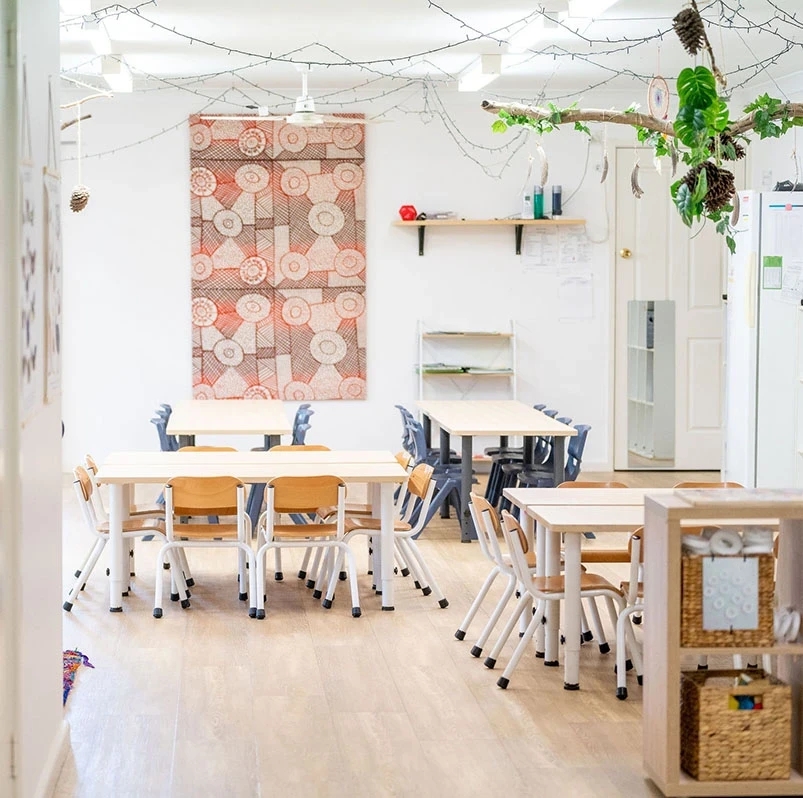
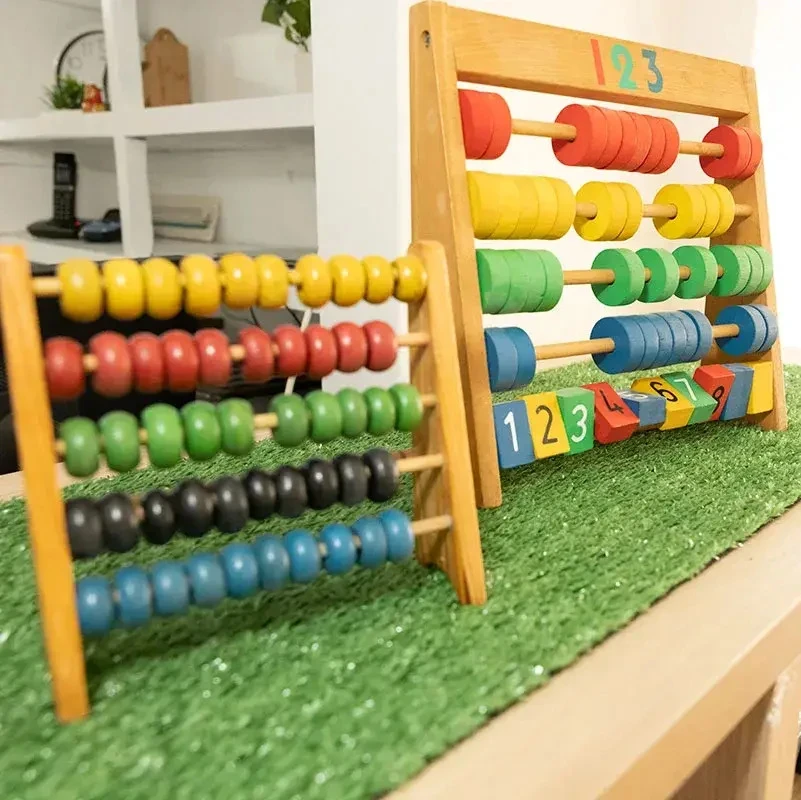
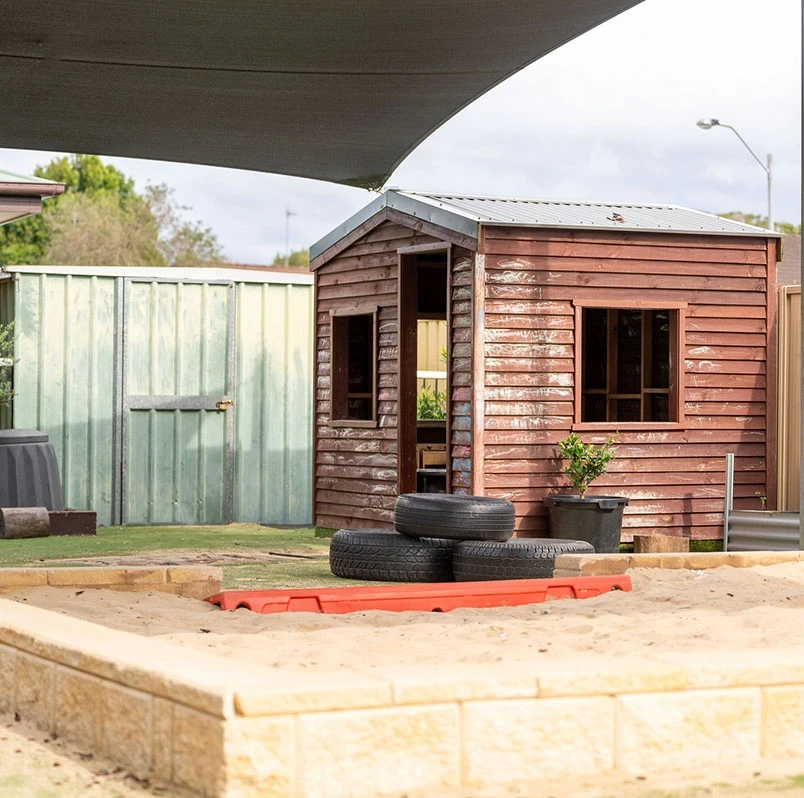
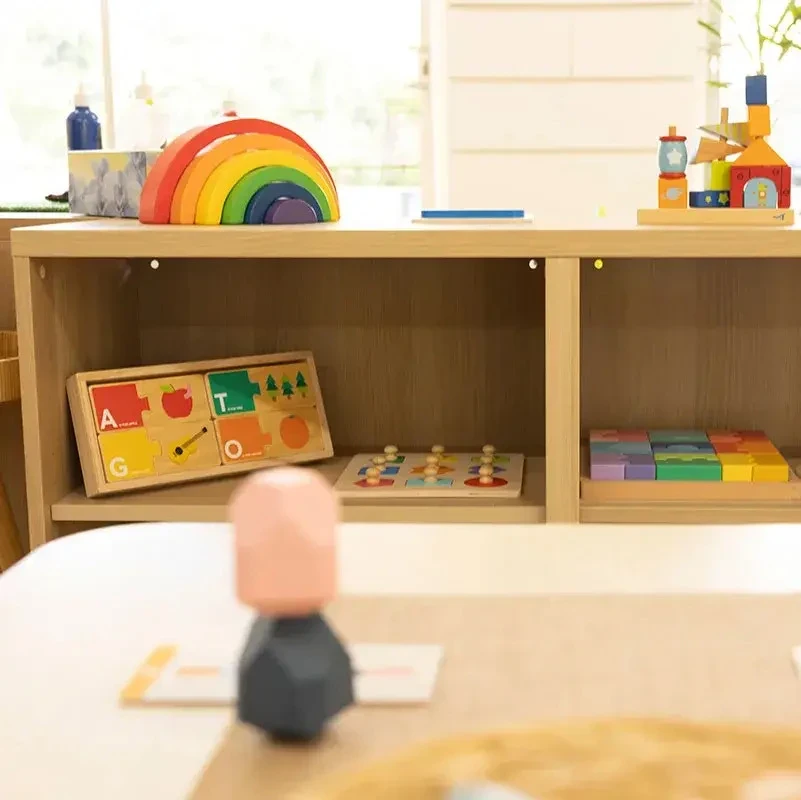
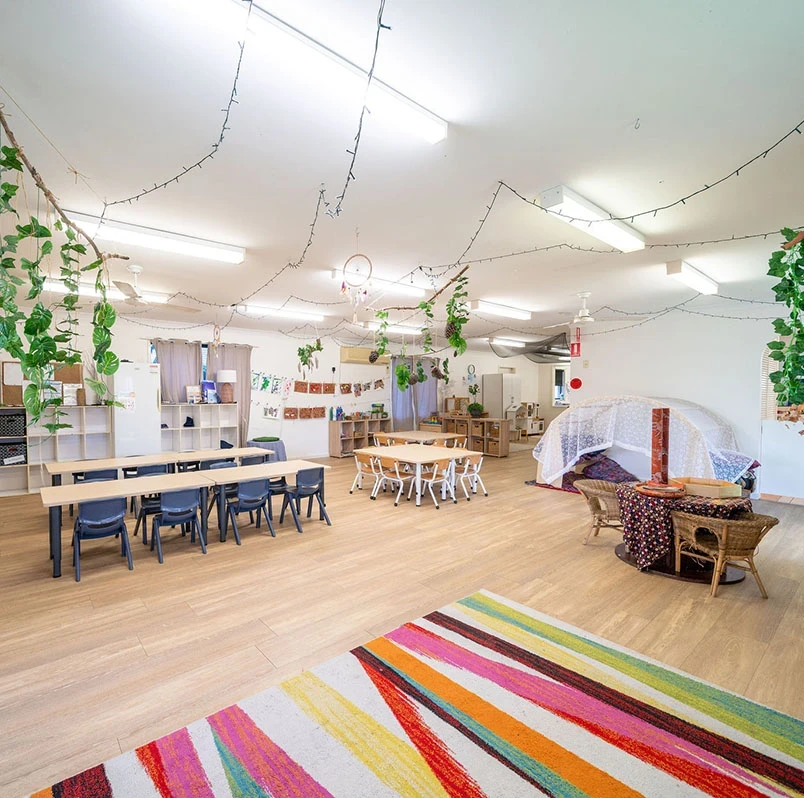
As a 21-place centre per day, we make a point of being over-ratioed to focus on each individual child's needs:



Every stage of life unfolds as a fresh adventure, and our centre, Eastwood Blessings, is built on a foundation of comprehensive early childhood development that nurtures each child’s growth.
We create environments where little explorers can thrive—discover how we spark imagination through play-based learning in all our activities.
Our dedicated educators design tailored learning plans and strong family partnerships to ensure a confidence-building experience for every child.
Plus, we help families navigate practical needs—like applying for childcare subsidies—so you can focus on making memories together.
Contact Us
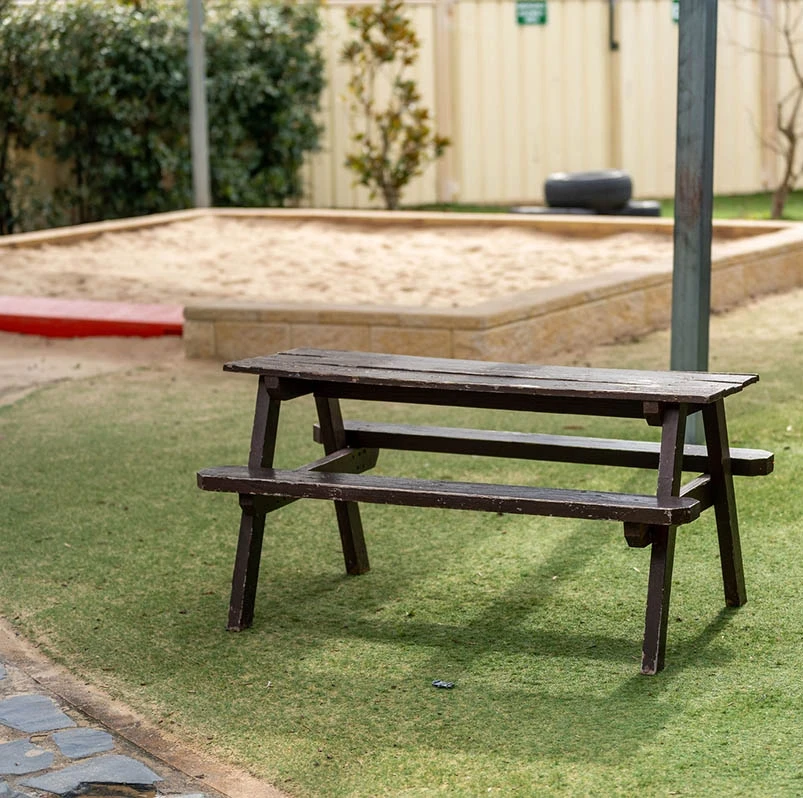
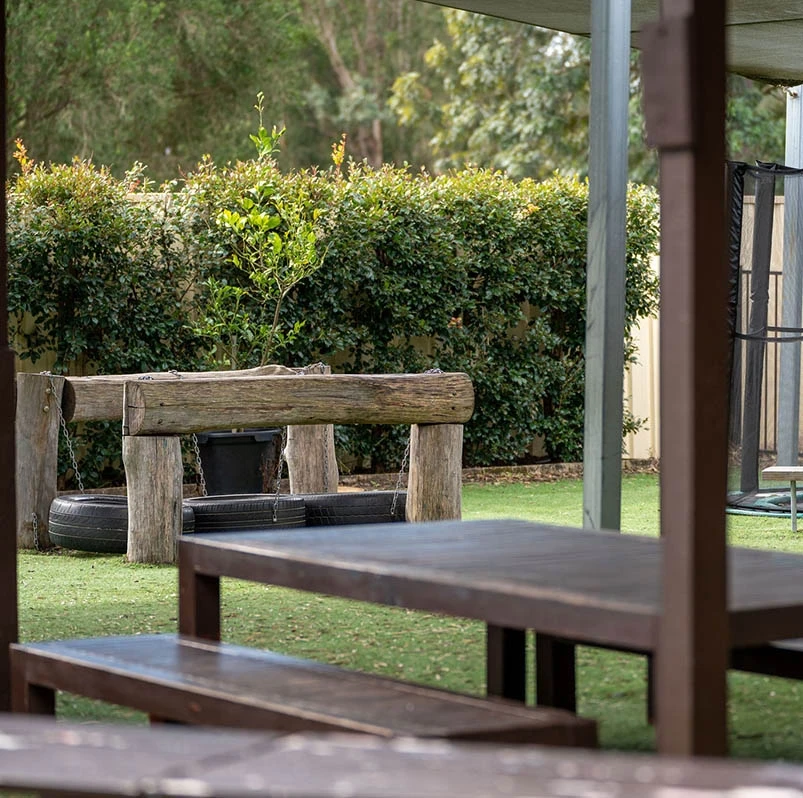
Walk through our bright classrooms, creative play spaces, and outdoor areas—all from home. Discover why Eastwood Blessings is where your child will flourish.
Start Virtual Tour


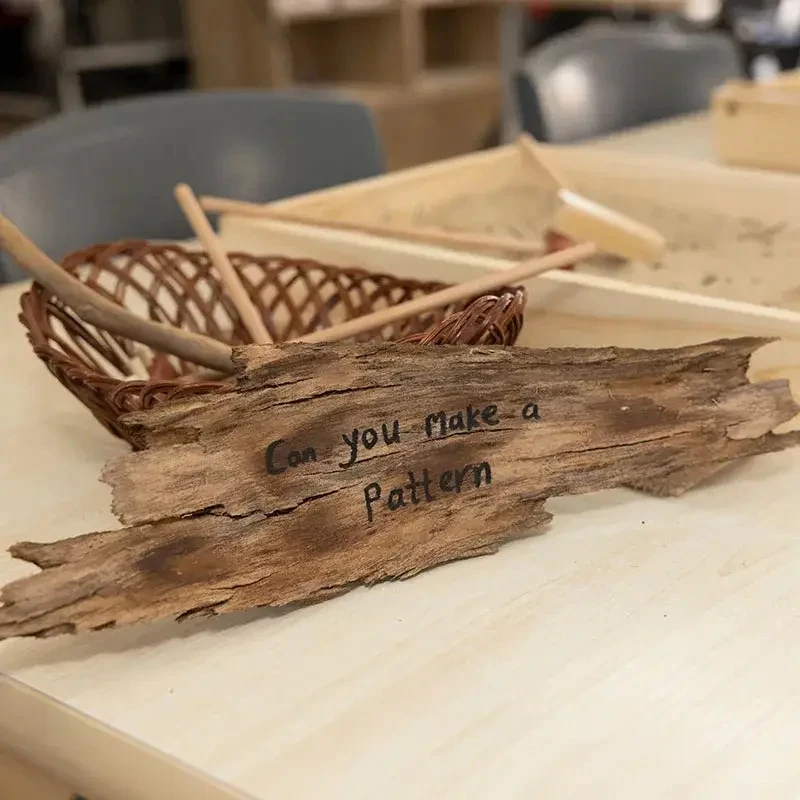
The Early Years Learning Framework (EYLF) is our guide at Eastwood Early Education Centre, structuring children’s play around early childhood development and its five learning outcomes—identity, community, wellbeing, learning, and communication. We bring these principles to life with engaging play-based learning activities, hands-on incursions and excursions, and bespoke projects that foster growth in a supportive nurturing environment. For more insights on curriculum design and family engagement, explore our blog posts.

School readiness builds a solid foundation for later learning which will help your child to thrive academically. it develops confidence and independence skills.

As children grow, they need important nutrients to be strong and healthy. A well-balanced diet provides all of the energy your child needs to keep active every day.

Dancing / Yoga and stretching increases the child's confidence and strengthens growing bodies. It also provides a range of physical, spiritual and mental relaxation - and is lots of fun!

STEAM education produces a whole host of benefits, such as developing creativity, problem-solving, collaboration and increasing engagement and motivation.

Cooking helps children learn and practice basic math concepts and build language skills. It also lays the foundation for healthy eating habits + your child can find their inner chef!

Practicing sustainability empowers children to construct knowledge, explore values and develop an appreciation of the environment and its relationship to their worlds.

I have a profound affection for Eastwood Blessings; the staff and teachers there are truly remarkable individuals. My child's learning journey has been incredibly enriching due to their dedication. He genuinely adores attending school, and I'm immensely grateful for the role you've played in fostering his education and personal growth.



The center is absolutely stunning. Thanks to all the educators at Eastwood Blessings, my son has greatly increased his confidence. Keep up the excellent work, everyone. The facility looks fantastic.

The team at Eastwood Blessings exudes absolute warmth and beauty. They are incredibly hospitable and nurturing individuals. Your children will thoroughly enjoy their time at Eastwood Blessings.

We sincerely appreciate each and every one of you for contributing to JJ's growth, development, and the nurturing of his character. Fondly, we will cherish the memories we've created together and deeply feel the absence as we part ways. This past year has been an incredible journey, marked by joyful moments and a sense of contentment.

One of the best daycare centres. A true family-based centre, that listens to parents, caters to children's needs and develops activities to include everyone. My son started with them in September and he has additional learning needs. He has learned so much and so quickly. The educators are all friendly, always listen and are helpful. The centre itself is specious with many purposeful areas designed to foster children's learning and creativity. It is always a delight to walk in and be greeted by smiles.
I recently attended the opening day of Eastwood Blessings Early learning and preschool. When I arrived I was welcomed by the friendly and approachable staff of the centre. The staff interacted and showed me around the centre and the centres playground. The interaction that the staff had with my child was amazing to see. The centre offers a lot of hands on experiences. The centre also offers quiet areas both inside and out if my child decides he needs that quiet time. I can’t wait for my child to start and see his development blossom.
My son is attending Eastwood Blessings and we couldn’t commend the centre enough! My son adjusted so quickly. He’s very excited everytime we send him. He’s happy everytime we pick him up. It just goes to show that he had a good day! My son loves how he can run around in the big outdoor area. He loves how close knit everyone is and that he’s being supported. We love everyone at the centre. They really focus on the children’s wellbeing! They communicate with the parents very well too! We would like to thank Sylvia and the team for a great job! You’ve showed us how to trust on a childcare centre again as we just had a traumatic experience on the previous one my son attended.
I would highly recommend this childcare centre. Lovely indoor and outdoor spaces. The educators are calm, capable, creative and kind. the love and support shown to our kids has been exemplary.