
When you think about your child’s next big step, you may picture the first day of preschool, starting school, making new friends, or becoming more independent. The right childcare in Eastwood can help you prepare your child for these moments by providing a safe, caring environment where they can build confidence, communication skills, independence, and everyday life skills.
You may notice that readiness does not happen overnight. It develops through small moments that happen throughout the day. Your child may learn to put away their belongings, choose an activity, talk about their feelings, wait for a turn, or ask for help when something feels difficult. Each experience gives you another opportunity to help your child feel capable and ready for what comes next.
What Does Being “Ready” Really Mean?
You may think school readiness means knowing letters, numbers, or how to hold a pencil correctly. While early literacy and numeracy matter, your child also needs emotional and social skills to feel comfortable in a new setting.
You may see readiness when your child can:
- Separate from you with growing confidence.
- Communicate their needs and feelings.
- Listen to simple instructions.
- Join group experiences.
- Make choices independently.
- Take turns and share with others.
- Try again after something does not work.
- Ask questions when they need support.
You do not need your child to master everything before their next step. You need your child to have opportunities to practice these skills in a supportive environment.
How Can Everyday Routines Build Independence?
Your child can develop independence through simple routines that may seem small to you. You may encourage your child to pack away toys after play, choose between two activities, put on their shoes, or take responsibility for their personal belongings.
These moments give your child a sense of ownership. Instead of having every decision made for them, your child gets the chance to think, choose, and act.
You may also notice that predictable routines help your child understand what comes next. When your child knows when it is time to play, eat, rest, or participate in a group activity, you can help create a sense of security. That familiarity can make it easier for your child to adjust when a new routine eventually comes along.
Can Play Help Your Child Prepare for Change?
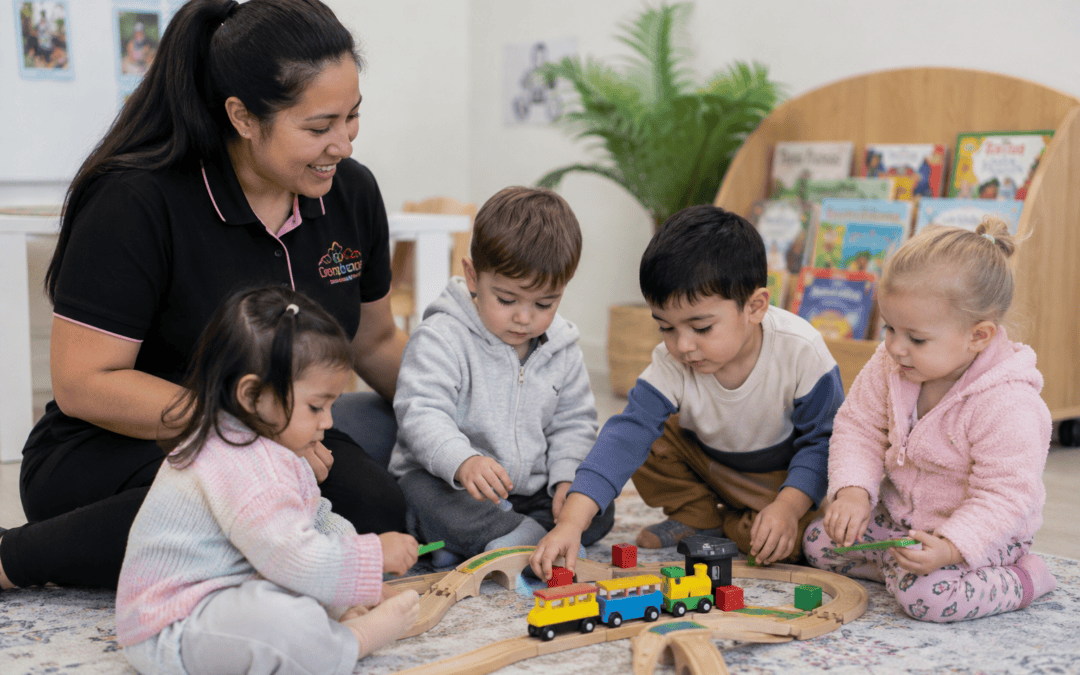
Play gives your child a natural way to practise skills that you may need later in life. When your child builds with blocks, you may see problem-solving in action. When your child plays pretend, you may see communication and imagination developing. When your child plays with others, you may see negotiation, cooperation, and patience.
You may also notice how your child responds when something goes wrong. A tower may fall, a game may not go as planned, or another child may want the same toy. These situations give your child a chance to practise managing frustration and finding another way forward.
This type of learning can help your child approach unfamiliar experiences with greater confidence.
How Can a Small Learning Community Support Your Child?
A smaller setting can give you a more personal experience for your child. With a capacity of just 21 children each day, Eastwood Blessings provides a boutique environment where your child can receive focused attention and build familiar relationships with educators.
You may find that your child feels more comfortable when familiar faces greet them each morning. Over time, these relationships can help your child feel known and understood.
When your child feels comfortable with the surrounding adults, you may see them become more willing to ask questions, try new activities, express their feelings, and take part in group experiences.
Why Does Emotional Confidence Matter Before the Next Big Step?
Your child may know how to count or recognise letters, but feeling emotionally ready can make a significant difference when facing change.
You can support this confidence by giving your child opportunities to make choices and express opinions. You may ask, “Which activity would you like to try?” Or “How did that make you feel?” These simple conversations help your child understand that their thoughts and feelings matter.
A caring early learning environment can build on these experiences by giving your child space to communicate, connect with others, and develop a stronger sense of identity.
How Can Family Connections Help Your Child Feel Prepared?
You know your child better than anyone. You know what makes them laugh, what helps them settle, and what situations may feel challenging.
Regular communication between you and your child’s educators can help create a consistent experience. When you share information about your child’s interests, routines, or recent changes at home, educators can respond with greater understanding.
You may also find it helpful to talk with your child about their day. Instead of asking only, “What did you do today?” You could ask, “Who did you play with?” Or “What made you smile today?” These questions can encourage your child to share more meaningful details.
What Can You Look for in an Early Learning Environment?
When you consider your child’s next step, you may want to look beyond the daily timetable. You can look for an environment where your child feels safe, respected, and encouraged to participate.
You may want to consider:
● Warm Relationships
Your child should feel comfortable approaching educators, asking for help, and sharing their thoughts.
● Meaningful Learning
Your child should have opportunities to learn through play, creativity, movement, conversations, and everyday experiences.
● Individual Attention
Your child should have opportunities to learn according to their interests, abilities, and pace.
● Family Partnerships
You should feel welcome to communicate with educators and share information about your child’s needs and experiences.
● A Sense of Belonging
Your child should feel that they are an important part of the community rather than simply another name on a list.
FAQs
1. How can Eastwood Blessings Early Learning and Preschool help your child prepare for school?
You can give your child opportunities to practise communication, independence, social interaction, problem-solving, and emotional confidence through everyday routines and play-based experiences.
2. Does your child need to know how to read before starting school?
No. You can support early literacy by encouraging conversations, stories, songs, drawing, mark-making, and a positive interest in books. Your child can develop these skills gradually through meaningful experiences.
3. How can you help your child become more independent?
You can give your child small responsibilities that match their age and abilities. You might encourage your child to pack away toys, choose an activity, put on their shoes, or help with simple routines.
4. What can you do if your child feels nervous about a new experience?
You can talk about the upcoming change calmly and positively. You can listen to your child’s concerns, acknowledge their feelings, and give them time to become familiar with the idea of something new.
5. Why are relationships important for your child’s development?
Your child can feel more secure when they have trusting relationships with familiar adults. These relationships can give your child the confidence to communicate, ask for help, participate in activities, and try something unfamiliar.
6. How can you support your child at home?
You can create simple opportunities for your child to practise independence. Reading together, talking about feelings, encouraging self-help skills, and giving your child time to make choices can all support their growing confidence.
7. How can you tell if your child is becoming ready for their next step?
You may notice your child becoming more comfortable with routines, communicating more clearly, managing small challenges, joining social experiences, and showing greater independence. Readiness looks different for every child, so you can focus on your child’s individual progress rather than comparing them with others.
Your child’s next big step can feel like a big moment for you, but with the support of Eastwood Blessings Early Learning and Preschool, you can help your child feel more comfortable and confident as they move forward. With caring relationships, plenty of play, familiar routines, and little chances to make their own choices, your child can build the confidence they need to take on new experiences with curiosity and a growing belief in themselves.
