
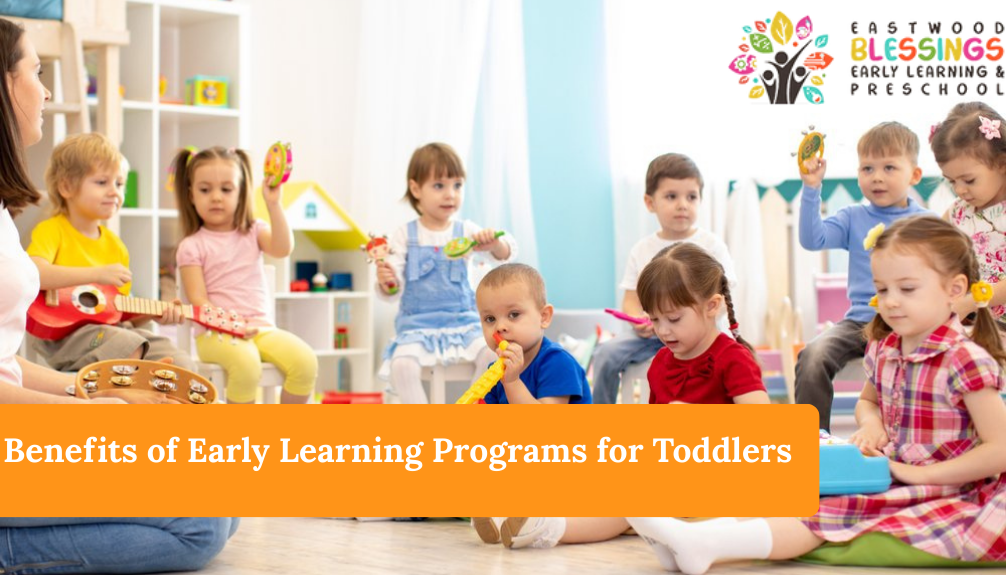

Early childhood is one of the most important stages of human development. During the first few years of life, a child’s brain develops faster than at any other time. Because of this rapid growth, structured programs play a major role in shaping how toddlers think, interact, and learn. Understanding the benefits of early learning can help parents and caregivers choose environments that support healthy development.
Early learning programs combine guided play, exploration, and social interaction to nurture important skills during a child’s formative years. These programs support communication, creativity, curiosity, and emotional growth. Research shows that high-quality early education can positively influence both short-term development and long-term academic success.
Why Early Learning Matters in the Toddler Years
The toddler years are a time of rapid change. Children begin to speak more words, explore their surroundings, and interact with other people. Structured programs introduce a variety of toddler development activities that stimulate learning in engaging ways.
Early learning environments are designed to encourage curiosity through hands-on activities, storytelling, music, art, and sensory play. These experiences contribute to important early childhood education benefits, helping toddlers develop essential thinking and communication skills.
At the same time, children gain experience interacting with peers and teachers. These interactions support social development in toddlers, helping them learn cooperation, empathy, and communication.
Key Benefits of Early Learning Programs
Quality early learning environments provide a wide range of developmental advantages for toddlers. Some of the most significant benefits of early learning include:
- Stronger language and communication abilities
- Improved social skills in early childhood through group activities
- Better emotional regulation and emotional development
- Increased independence and self-confidence
- Stronger foundation for future academic learning
- Opportunities for creative exploration and curiosity
- Enhanced cognitive development in childcare through problem-solving activities
These early experiences shape how children approach learning, relationships, and challenges as they grow.
Supporting Cognitive Development Through Play
Young children learn best through exploration and play. Activities such as building blocks, puzzles, matching games, and sensory exploration encourage curiosity and critical thinking.
Many modern early learning programs now incorporate STEAM education for preschoolers, which introduces simple concepts related to science, technology, engineering, arts, and mathematics. These activities might include building structures with blocks, experimenting with water and sand, or exploring simple patterns and shapes.
Encouraging Social Development in Toddlers
One of the most valuable parts of early learning programs is the opportunity for children to interact with others. Daily group activities help strengthen social development in toddlers by encouraging cooperation, sharing, and teamwork.
When toddlers spend time with peers, they begin to understand social rules and emotional cues. These experiences help build essential social skills in early childhood, such as listening, empathy, and respectful communication.
Building Confidence and Independence
A supportive learning environment helps children feel safe enough to explore and try new things. Early learning programs encourage independence through small responsibilities and structured activities.
Many daily routines help with building confidence in children, including:
- Choosing toys or activities independently
- Participating in group storytelling or singing
- Completing simple tasks like cleaning up toys
- Trying new creative activities such as painting or crafts
- Expressing thoughts and feelings during conversations
These experiences gradually contribute to building confidence in children, helping them develop a positive self-image and a willingness to explore new challenges.
The Importance of Outdoor Learning
Outdoor experiences are an essential part of healthy childhood development. Many early learning centers incorporate nature play in early childhood programs that encourage exploration of the natural environment.
Spending time outside offers numerous advantages for toddlers.
Outdoor play benefits for toddlers include:
- Improved physical strength and coordination
- Better focus and attention
- Increased creativity and imagination
- Reduced stress and improved mood
- Opportunities to explore nature and develop curiosity
Outdoor learning often includes activities like gardening, exploring leaves and insects, or playing in natural spaces. These experiences combine movement, discovery, and sensory learning.
Helping Children Adjust to Childcare
For many families, enrolling a toddler in an early learning program is a major milestone. The first day at childcare can be exciting but also emotional for both children and parents.
Adjusting to a new environment takes time, and supportive educators play an important role in settling into childcare smoothly.
Parents can help ease the transition by:
- Visiting the center with their child before the first day
- Establishing a consistent drop-off routine
- Talking positively about the childcare experience
- Bringing a familiar toy or comfort item
- Maintaining open communication with teachers
When toddlers feel safe and supported, they usually adapt quickly and begin enjoying the activities and friendships available in their new environment.
Supporting Healthy Habits in Early Learning Programs
Quality early learning programs also focus on developing healthy daily habits. Nutrition and routine are important factors that support physical and mental growth.
Many childcare programs provide healthy meals for children that include balanced portions of fruits, vegetables, whole grains, and proteins. These meals help support energy levels and concentration throughout the day.
Healthy routines in childcare often include:
- Scheduled meal and snack times
- Regular outdoor activity
- Quiet rest or nap periods
- Hygiene habits like handwashing
- Balanced learning and play schedules
These routines create stability while supporting the overall well-being of toddlers.
Preparing Toddlers for Future Education
Another major advantage of early learning programs is how they prepare children for later academic environments. Through play-based learning, toddlers begin developing foundational skills such as listening, problem-solving, and cooperation.
The early childhood education benefits extend far beyond preschool. Children who participate in early education often enter school with stronger communication abilities, improved focus, and greater emotional readiness.
Long-Term Benefits of Early Learning
The long-term benefits of early learning go beyond academic preparation. Quality early education helps shape confident, curious, and socially capable individuals.
Key long-term outcomes often include:
- Stronger social skills in early childhood that support relationships
- Improved emotional development and self-regulation
- Greater independence and adaptability
- Increased interest in learning and exploration
- Higher confidence when facing new challenges
These outcomes demonstrate why investing in early childhood programs can make a lasting difference in a child’s life.
Conclusion
Early learning programs play a crucial role in supporting toddlers during their most important developmental years. Through engaging toddler development activities, supportive relationships, and structured routines, these programs help children grow socially, emotionally, and intellectually.
Eastwood Blessings focuses on providing a caring environment where toddlers can explore, learn, and develop essential life skills. By choosing a quality early learning program such as Eastwood Blessings, parents are investing in a strong foundation that supports lifelong learning, confidence, and success.