
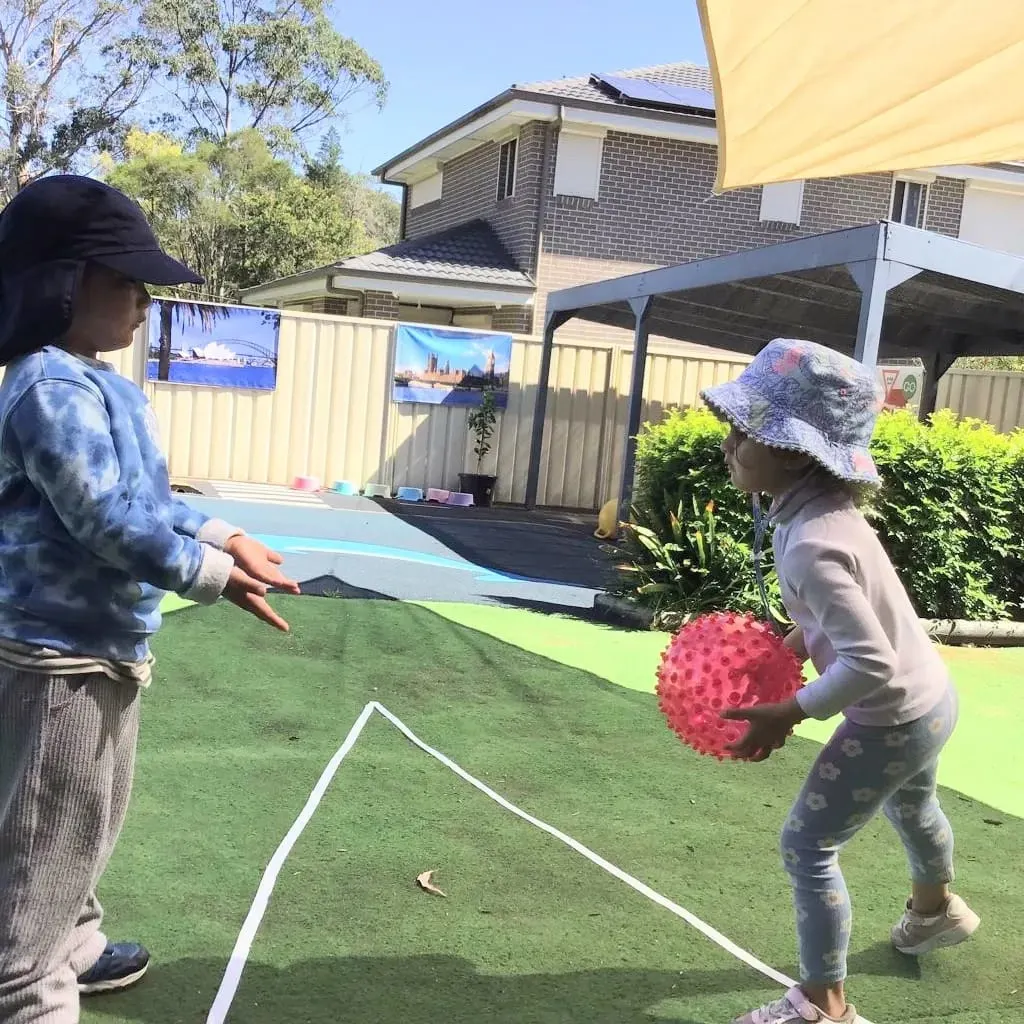

In the evolving world of education, play-based learning has emerged as a major innovation in early childhood education. Instead of seeing play as a simple break from academic work, educators now recognize it as a powerful tool for developing lifelong skills. This approach encourages natural curiosity and supports growth across cognitive, social, emotional, and physical areas, making learning meaningful, enjoyable, and effective.
Play-based learning is not random or unstructured. It is a thoughtfully designed play-based curriculum where children learn through active engagement, exploration, and imaginative experiences. This article explores how this approach works, its benefits, and why it is transforming classrooms worldwide.
What Is Play-Based Learning?
Play-based learning is an educational method that uses play as the foundation for learning new skills. It combines creativity, exploration, and teacher-guided experiences to help children gain understanding in a natural and joyful way. It respects the way young children naturally interact with the world through play.
Unlike traditional education that focuses mainly on direct instruction and worksheets, play-based learning encourages children to learn by doing, whether through dramatic play, sensory exploration, or collaborative games.
How Play Builds the Foundation for Lifelong Learning
One of the main benefits of play-based learning is its impact on cognitive growth. Through play, children engage in problem-solving, experimentation, observation, and reasoning, all of which strengthen brain development. Activities such as building with blocks, solving puzzles, or planning imaginative scenarios help young learners develop critical thinking and decision-making skills.
Cognitive development in early years through play includes:
- Encouraging curiosity and exploration
- Enhancing memory and attention
- Teaching cause-and-effect reasoning
- Supporting early math and logic skills
Because play allows children to experiment without fear of failure, they learn to think flexibly and adaptively, which is essential for academic success and lifelong learning.
Promoting Social and Emotional Growth
Play-based learning is also key for social and emotional development. When children play together, they learn how to communicate, take turns, cooperate, share, and resolve conflicts. These early social skills lay the foundation for positive relationships throughout life.
In play settings:
- Children practice empathy by imagining others’ feelings
- They negotiate roles and rules in collaborative play
- Conflict-resolution skills grow through real interaction
This development of social competence helps children feel confident and connected within their learning communities.
Enhancing Language and Early Literacy Skills
Play is a natural way to develop language skills. Role-playing, storytelling, and conversations during play help children expand their vocabulary and communication skills. Language-rich play experiences support listening, speaking, and early reading skills.
Play environments often include storytelling areas, books, and interactive discussions that help children become confident communicators and emergent readers.
Supporting Physical and Motor Development
Physical play, such as climbing, running, drawing, or manipulating small objects, improves both gross and fine motor skills. These activities develop body coordination, balance, and strength. Constructive play with objects builds hand-eye coordination and lays the foundation for later skills like writing and sports.
Through play, children:
- Build muscle control
- Improve movement coordination
- Strengthen sensory processing
- Develop healthy physical habits
Play-based learning supports overall physical development alongside cognitive and social growth.
Cultivating Creativity and Imagination
Play unlocks imagination, which is critical for creativity. Pretending to be astronauts, chefs, or explorers helps children think creatively and solve problems in new ways. These experiences build flexible thinking and encourage children to imagine possibilities.
Creativity through play is central to cognitive growth and self-expression.
Designing a Play-Based Classroom: What It Looks Like in Practice
A play-based classroom is vibrant, engaging, and designed to encourage exploration. Instead of rows of desks and strict schedules, these classrooms have stations and materials that invite interaction, such as:
- Sensory tables with sand, water, or natural materials
- Blocks and construction sets
- Dress-up and role-play areas
- Art materials
- Books and storytelling corners
Teachers guide play experiences by observing children’s interests and introducing activities that build skills. They ask open-ended questions and support children as they turn play into meaningful learning.
The Teacher’s Role in Play-Based Learning
In play-based learning, teachers act as facilitators rather than lecturers. Their role includes:
- Observing children’s interests
- Planning activities that align with developmental goals
- Providing materials and prompts that deepen thinking
- Supporting interactions and collaboration
This approach allows teachers to tailor experiences to each child’s pace and style, making learning more personalized and effective.
Common Misconceptions About Play-Based Learning
Some parents and educators worry that play lacks structure or academic rigor. In reality, play-based learning is carefully designed to meet educational goals. Play is intentional and provides meaningful opportunities for learning while keeping children engaged.
Myths versus reality:
- Myth: Play is just free time. Reality: Play is structured and purposeful.
- Myth: Children will not learn basic skills. Reality: Play develops literacy, numeracy, and problem-solving.
- Myth: Play delays academic progress. Reality: Play supports long-term academic success.
Play-based learning blends enjoyment with educational purpose.
Play-Based Learning and Academic Success
Research shows that children in play-based learning programs often outperform peers academically. The skills developed through play, such as problem-solving, communication, and critical thinking, contribute to literacy, math, and science success later in school.
Play enhances academic learning rather than replacing it, especially when integrated into a well-designed curriculum.
Practical Tips for Parents and Educators
Parents and caregivers can support play-based learning at home by:
- Providing open-ended materials like blocks, art supplies, and story props
- Encouraging imaginative games
- Asking open-ended questions
- Reading and storytelling together
- Allowing time for outdoor and physical play
These steps help children continue learning through play outside the classroom.
Conclusion: Embracing Play-Based Learning
Play-based learning is transforming early childhood education by blending play with purposeful learning. Children learn best when they are active, curious, and engaged. This approach supports the development of the whole child, including cognitive skills, social and emotional growth, creativity, and a love for learning.
By embracing play-based learning, educators and parents can prepare children to become confident, resilient, and lifelong learners.
FAQs
- What is play-based learning?
It is an educational approach where children learn through structured and purposeful play. - How does play-based learning benefit cognitive development?
It enhances problem-solving, critical thinking, and decision-making skills. - Can play-based learning improve literacy skills?
Yes, it supports language, vocabulary, and early reading through storytelling and conversation. - Is play-based learning effective academically?
Yes, children often outperform peers in literacy, math, and other subjects. - What is the teacher’s role in play-based learning?
Teachers act as facilitators, guiding and observing play to support skill development. - How can parents support play-based learning at home?
Provide open-ended materials, encourage imaginative play, and engage in storytelling.