
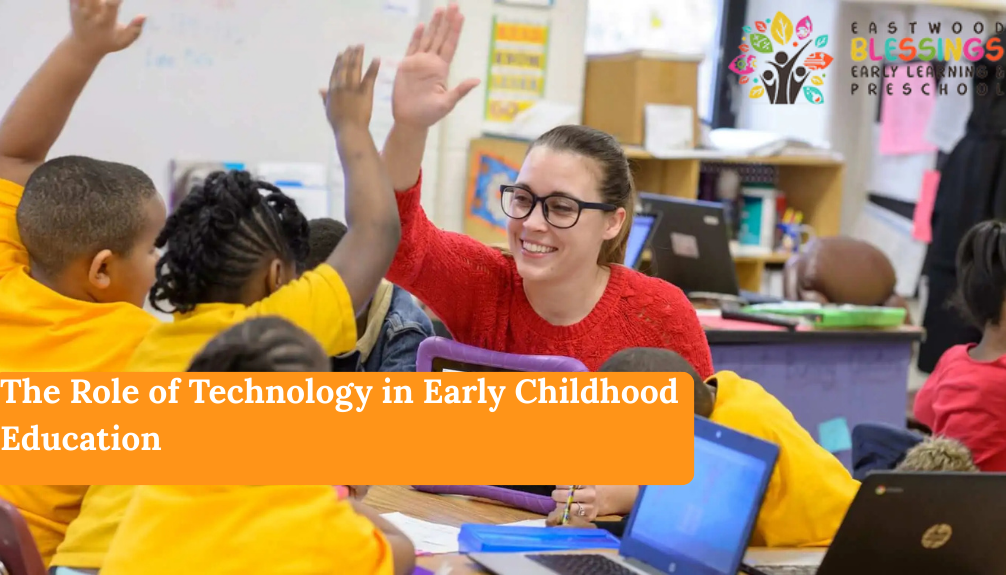

Technology is increasingly becoming a central part of children’s lives, even in early education settings. From interactive tablets to educational apps, young learners are exposed to digital tools that can enhance their learning experiences. Understanding the role of technology in early childhood education is essential for parents, teachers, and caregivers who aim to provide children with the skills they need for the future.
This blog explores the benefits, challenges, and best practices for integrating technology into early learning environments, helping educators create engaging and balanced educational experiences. By the end, you’ll see how technology, when used thoughtfully, can support cognitive, social, and emotional development in young children.
Understanding Technology in Early Childhood Education
Technology in early childhood education refers to the use of digital tools, devices, and software to support learning, creativity, and development. Common examples include tablets with educational apps, interactive whiteboards, smartboards, and age-appropriate learning games.
These tools are designed to engage children in interactive ways that traditional methods may not achieve alone. Integrating technology in early education helps children develop digital literacy alongside essential academic and social skills. Educators must carefully select developmentally appropriate tools and align them with learning objectives. By doing so, technology becomes a supportive element in early childhood classrooms, rather than a distraction.
Benefits of Technology in Early Childhood Education
Enhances Learning Engagement
Interactive technology captures children’s attention in ways that traditional teaching cannot always achieve. Gamified apps, multimedia storytelling, and interactive lessons make learning exciting and fun. Children are more likely to stay engaged and retain knowledge when they can interact with content rather than just passively absorb it.
Tools like educational tablets can transform a basic lesson into an immersive experience, encouraging active participation and curiosity. When used thoughtfully, this engagement fosters a positive attitude toward learning that can last a lifetime.
Supports Individualized Learning
Every child learns differently, and technology can adapt to these differences. Adaptive learning apps assess a child’s current level and provide exercises tailored to their pace, ensuring that no student is left behind.
Teachers can also track progress through digital platforms, allowing for timely interventions and personalized support. This individualized approach enhances learning outcomes, builds confidence, and allows educators to address specific strengths and weaknesses in young learners.
Prepares Children for the Digital Future
In a world increasingly shaped by technology, early exposure helps children develop essential digital literacy skills. Using tech tools in classrooms fosters problem-solving, critical thinking, and collaborative skills.
Children become comfortable navigating digital interfaces, understanding basic coding concepts, and applying technology in creative ways. These skills not only support academic growth but also prepare children for lifelong learning in a digital environment.
Challenges and Considerations
Screen Time Management
One major challenge of integrating technology in early education is managing screen time. Experts recommend limited daily exposure to screens for young children to prevent fatigue and maintain healthy development. Teachers and parents should schedule tech-based activities carefully, balancing them with physical play, hands-on activities, and social interactions.
Ensuring Age-Appropriate Content
Not all digital content is suitable for young learners. Selecting safe, educational apps and childcare programs is critical. Teachers should prioritize tools that reinforce learning objectives and encourage exploration, rather than purely entertainment-focused content. Adult supervision ensures children interact with technology in meaningful ways.
Avoiding Overreliance on Technology
While technology offers many benefits, overuse can hinder social, emotional, and physical development. Early childhood education should maintain a balance between tech-assisted learning and traditional methods like storytelling, arts, crafts, and outdoor play. Technology should supplement, not replace, core learning experiences.
Best Practices for Integrating Technology in Early Education
Successful integration of technology involves thoughtful planning and clear objectives. Start with simple, interactive tools that align with curriculum goals. Teachers should receive proper training to use digital resources effectively, while parents should be encouraged to support tech-based learning at home.
Regular assessments of the tools’ effectiveness help ensure that technology enhances learning rather than creating distractions. Collaborative efforts between educators and parents maximize the positive impact of digital learning.
Examples of Effective Technology in ECE
Several tools demonstrate the effective use of technology in early childhood education. Tablets with educational apps like ABCmouse or Khan Academy Kids provide interactive lessons in math, literacy, and science.
Coding toys and STEM kits introduce problem-solving and logical thinking. Smartboards allow for dynamic classroom instruction, and interactive storytelling apps make reading engaging and immersive. By selecting tools that are both educational and age-appropriate, teachers can create a stimulating learning environment that incorporates technology seamlessly.
Future of Technology in Early Childhood Education
The future of early education is increasingly digital. Emerging trends like AI-powered learning platforms, virtual reality experiences, and interactive e-books are poised to transform classrooms.
These technologies can offer personalized learning at scale, encourage creativity, and deepen understanding. While the tools will evolve, the fundamental goal remains the same: to enrich early childhood education and prepare young learners for an increasingly tech-driven world.
Conclusion
Technology has a significant role in early childhood education when integrated thoughtfully. From enhancing engagement to supporting individualized learning and preparing children for the digital future, its benefits are clear. However, challenges like screen time management and content selection must be addressed to ensure balanced development.
When used responsibly, technology acts as a powerful educational tool that complements traditional learning, fosters curiosity, and nurtures essential skills. By embracing this approach, educators and parents can ensure that young learners gain the advantages of technology while still experiencing the holistic benefits of early childhood education.