
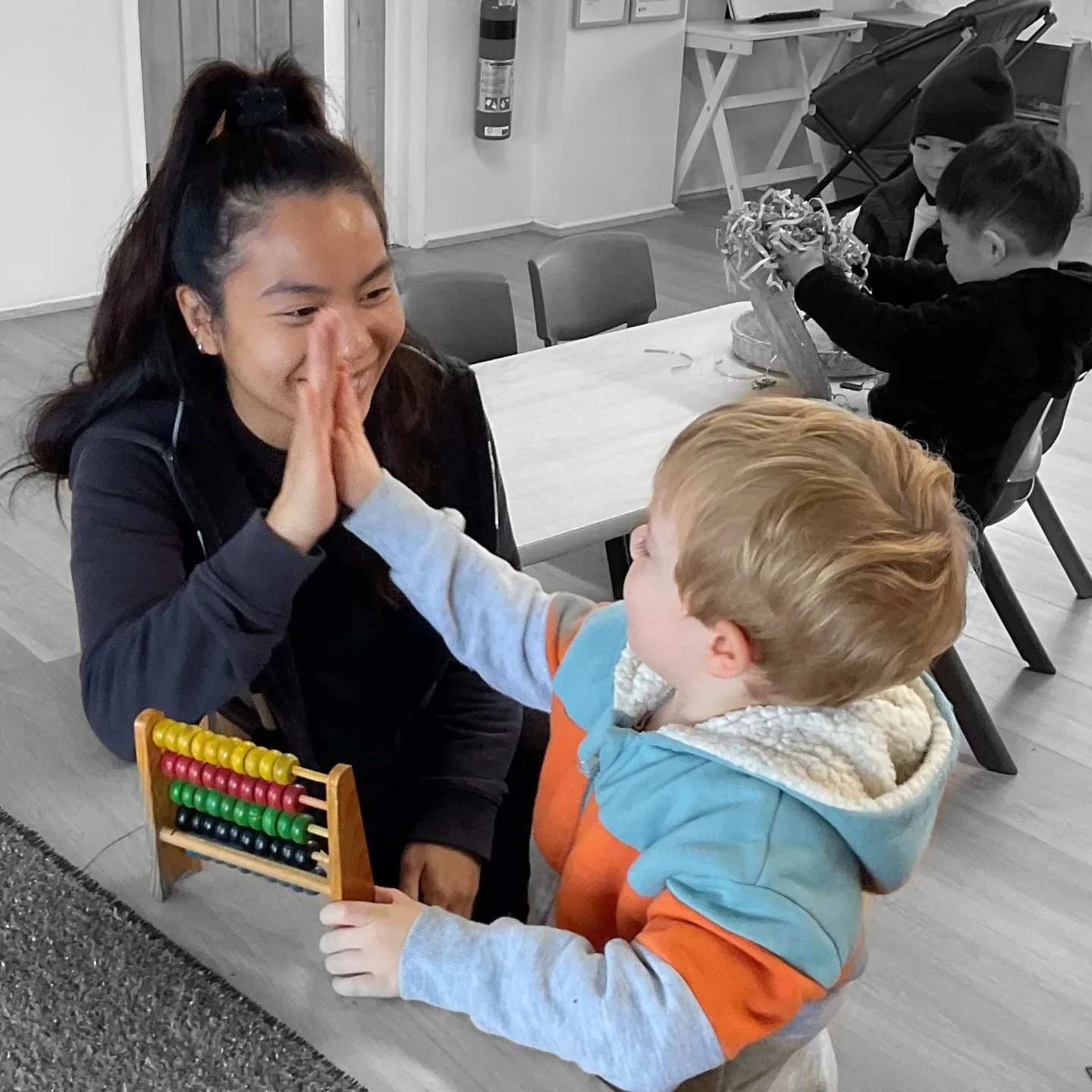

Finding the right childcare or preschool is one of the most important decisions a parent can make. Early childhood is a critical period for social, emotional, and mental development, and the environment your child spends their days in can have a lasting impact. With so many options available, it can feel overwhelming to know where to start.
This guide provides a comprehensive list of key questions to ask childcare providers and tips for evaluating preschools, helping you make a well-informed decision for your child’s growth and well-being.
Why Choosing the Right Childcare Matters
The right childcare program supports your child’s learning, independence, and social skills. Children spend many hours a week in childcare settings, making it essential to select a place where they feel safe, happy, and engaged.
Key benefits of thoughtful selection include:
- Enhanced early learning opportunities
- Safe and nurturing environment
- Support for social and emotional development
- Strong foundation for lifelong learning
By asking the right questions and evaluating each program carefully, you can find a childcare or preschool that aligns with your family’s values and your child’s needs.
General Information and Environment
Before enrolling your child, it’s essential to gather information about the facility and its daily environment. Here are some questions to guide your evaluation:
1. What is your philosophy on early childhood education?
Understanding the provider’s educational philosophy ensures it aligns with your parenting approach. For example, some preschools emphasize play-based learning, while others follow structured academic programs. Choosing a program that matches your values will create a consistent learning experience for your child.
2. What is the child-to-staff ratio?
A lower child-to-staff ratio allows for more individualized attention, supervision, and support. For example, toddlers often require a ratio of 1:4, while preschool-aged children may have a ratio of 1:10. Ratios can impact your child’s learning, safety, and emotional well-being.
3. What is the daily schedule like?
Look for a balance between social activities, free play, and rest. A well-designed schedule includes:
- Learning activities (letters, numbers, science, art)
- Outdoor play and physical activity
- Rest or quiet time
- Social interaction opportunities
4. How are the outdoor play opportunities structured?
Outdoor play is critical for child development, gross motor skills, and mental health. Ask how often children go outside, whether the space is safe, and if there are age-appropriate activities.
5. Is the facility clean, safe, and well-maintained?
Safety and hygiene are non-negotiable. Visit the facility to check for:
- Clean play areas and restrooms
- Secure entrances and exits
- Safe toys and equipment
- Compliance with local safety regulations
Curriculum and Learning
A quality childcare or preschool program provides structured learning experiences that nurture cognitive, social, and emotional growth.
6. What curriculum does the program use?
Ask about the curriculum and teaching methods. High-quality programs often use evidence-based frameworks such as Montessori, Reggio Emilia, or HighScope. Ensure that activities target multiple developmental domains: literacy, math, science, art, and social-emotional skills.
7. How are individual learning needs addressed?
Children learn at different paces. Ask how the program assesses and supports individual learning styles, provides personalized attention, and accommodates special needs or gifted children.
8. How is diversity, equity, and inclusion (DEI) incorporated?
A strong program respects cultural, racial, and socioeconomic diversity. Look for inclusive books, activities, and celebrations, and ask how teachers encourage empathy and respect among children.
9. How is progress tracked and communicated?
Ask how teachers monitor learning milestones and provide updates. Some preschools offer:
- Weekly or monthly progress reports
- Portfolios of children’s work
- Parent-teacher conferences
- Online apps for daily updates
Health and Safety
Health and safety are top priorities in any childcare setting. Make sure to ask detailed questions about policies and staff training.
10. What are the health and safety policies?
Check for procedures covering:
- Illness management
- Handwashing and hygiene routines
- Emergency preparedness
- Medication administration
11. Are staff trained in CPR and first aid?
Ensure that teachers and caregivers are trained in emergency procedures, including CPR, first aid, and evacuation drills.
12. How are accidents or emergencies communicated to parents?
Find out how the program handles incidents and how quickly parents are notified. Transparent communication can provide peace of mind.
Communication and Parent Involvement
Active parent involvement strengthens a child’s development and ensures alignment between home and school.
13. How do you communicate with parents?
Effective programs maintain regular communication through:
- Daily reports or journals
- Email or messaging apps
- Parent-teacher conferences
- Newsletters and updates
14. How are parents involved in the child’s learning?
Ask about opportunities for:
- Volunteering in classrooms or activities
- Participating in special events or projects
- Supporting learning at home
15. How are concerns or questions handled?
A program should have a clear process for addressing parent concerns, ensuring that feedback is welcomed and acted upon.
Additional Considerations
Some practical and logistical factors also influence your childcare decision.
16. What age groups are served?
Check whether the program accommodates your child’s age group and provides age-appropriate activities.
17. What are the operating hours and fees?
Ensure the schedule fits your family’s routine and budget. Ask about:
- Full-day vs. half-day programs
- Before- and after-school care
- Additional costs for activities, meals, or supplies
18. What is the enrollment process?
Understand registration deadlines, waitlists, and required documentation.
19. Can I schedule a tour of the facility?
Visiting the school allows you to observe:
- Teacher-child interactions
- Classroom setup and materials
- Overall environment and atmosphere
20. Can you provide references?
Speaking with other parents can provide insights into the program’s strengths and areas for improvement.
Tips for Making the Final Decision
- Make a checklist of your priorities and questions before visiting.
- Visit multiple programs to compare environments and teaching styles.
- Observe how teachers interact with children during play and learning activities.
- Trust your instincts, your child’s comfort and happiness matter.
Choosing the right childcare or preschool is a process, but careful research, thoughtful questions, and firsthand observation will help you find the perfect fit. Remember, a nurturing, safe, and stimulating environment sets the stage for a lifetime of learning and growth.
Conclusion
Eastwood Blessings requires careful consideration of educational philosophy, curriculum, health and safety standards, parent communication, and logistical factors. By asking the right questions and visiting facilities, parents can make an informed choice that supports their child’s early development and well-being.
With the right approach, you can find a childcare program that not only meets your practical needs but also fosters curiosity, creativity, and a love of learning in your child.