
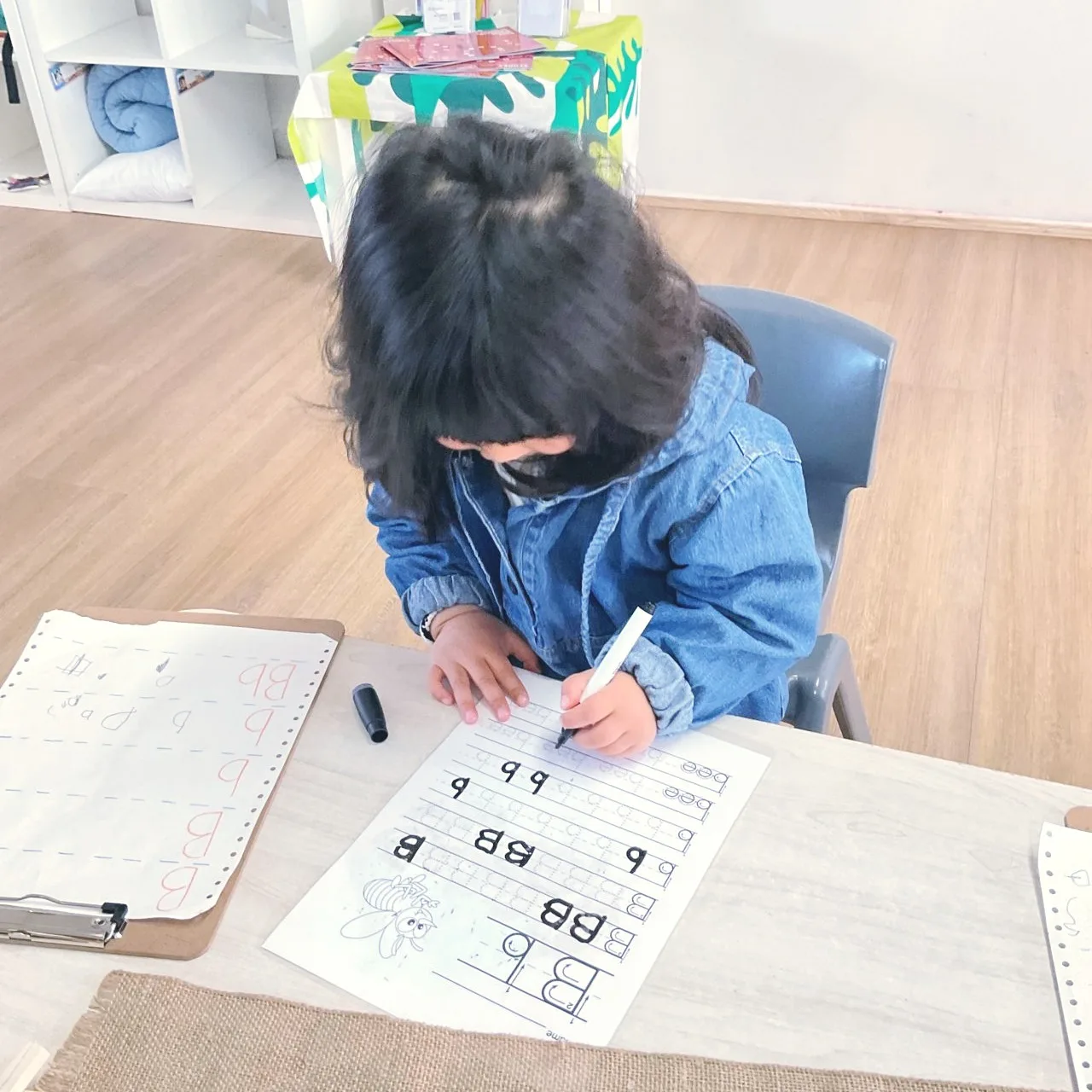

Choosing the right early learning centre Eastwood families can rely on is one of the most important decisions parents make. The early years shape how children think, communicate, build relationships, and see themselves in the world. A nurturing and structured environment during this time builds the foundation for lifelong learning.
For parents searching for childcare Eastwood, quality matters. A safe and supportive space helps children feel confident enough to explore, ask questions, and develop independence at their own pace.
Why Early Childhood Education Matters
The first five years of life are critical for brain development. During this time, children form the connections that influence language, emotional control, memory, and social skills. Experiences in early childhood education Eastwood programs can have long term benefits for academic and personal success.
Early learning is not only about letters and numbers. It is about building confidence, curiosity, and resilience. When children feel emotionally secure, they are more open to learning new skills and forming healthy friendships.
A quality preschool Eastwood program supports the whole child by focusing on social, emotional, cognitive, and physical development.
What Makes a Quality Early Learning Centre in Eastwood
Families looking for the best early learning centre in Eastwood should consider several key factors before enrolling.
Qualified and Caring Educators
Educators play a vital role in shaping early experiences. Trained professionals understand child development and recognise that every child grows at a different pace. Some children are eager to join group activities, while others prefer to observe before participating.
A supportive childcare Eastwood environment respects these differences and creates personalised learning opportunities that encourage growth without pressure.
Safe and Engaging Learning Spaces
A well designed daycare Eastwood NSW centre provides both safety and stimulation. Clean classrooms, secure outdoor play areas, and age appropriate resources allow children to explore confidently.
Children benefit from structured routines combined with free play. Predictable daily schedules help them feel secure while still leaving space for creativity and discovery.
Strong Partnerships with Families
Open communication between educators and families strengthens a child’s learning journey. Regular updates, shared goals, and collaborative problem solving create consistency between home and care environments.
When families and educators work together, children feel supported and understood.
Learning Through Play
Play based learning is at the heart of quality early childhood education Eastwood programs. Young children learn best through hands-on experiences that connect to real life.
Activities such as block building, art projects, music sessions, and outdoor play develop important skills including problem solving, teamwork, and self expression.
For example, a simple block activity can teach patience, cooperation, and creative thinking. Group story time improves listening and language skills. Gardening projects introduce responsibility and curiosity about the world.
Supporting Social and Emotional Growth
Emotional development is just as important as academic learning. In a nurturing long day care Eastwood setting, children learn how to manage feelings and build positive relationships.
Through daily interactions, children develop skills such as:
- Sharing and taking turns
- Expressing emotions clearly
- Solving simple conflicts
- Showing empathy
- Building friendships
Small group experiences and consistent caregivers help children feel secure. Emotional safety encourages children to try new activities without fear of failure.
Flexible Childcare for Modern Families
Many families rely on daycare Eastwood NSW services to balance work and personal responsibilities. Access to reliable care provides peace of mind.
Quality childcare Eastwood programs offer structured routines that include learning time, meals, rest periods, and outdoor play. Flexible enrolment options allow families to choose schedules that suit their needs.
The goal is not simply supervision but meaningful engagement. Children benefit from a balanced day that supports growth in every area of development.
Preparing Children for Primary School
A strong kindergarten Eastwood program helps children transition smoothly into formal schooling. School readiness focuses on both academic foundations and behavioural skills.
Children develop early literacy and numeracy skills while also learning how to:
Follow instructions
- Sit in group settings
- Work independently
- Manage transitions
- Communicate respectfully
These skills prepare children for structured classroom environments. Confidence built in early learning reduces anxiety when starting primary school.
A quality school readiness program Eastwood families trust ensures children feel capable and prepared for their next educational step.
The Benefits of Early Learning for Toddlers
Many parents wonder if two years old is too young for daycare. For many children, this stage is ideal for social and language development.
A supportive preschool Eastwood environment helps toddlers expand vocabulary, build independence, and interact with peers. Gentle routines and caring educators provide reassurance while encouraging exploration.
When introduced thoughtfully, early learning enhances development without overwhelming the child.
Long Term Advantages of Early Education
Enrolling in a high quality early learning centre Eastwood families recommend can provide lasting benefits.
Research shows that children who attend strong early education programs are more likely to develop:
- Strong communication skills
- Positive learning habits
- Healthy social relationships
- Emotional resilience
- Academic confidence
Early education is an investment in future success. The skills children develop during these formative years influence their approach to learning for years to come.
Choosing the Right Childcare in Eastwood
When exploring childcare Eastwood options, visiting centres in person can help families make informed decisions. Observe how educators interact with children and whether the environment feels calm and welcoming.
Ask about staff qualifications, daily routines, and learning philosophy. A centre that values respect, safety, and curiosity will often stand out.
Trust is essential. When parents feel confident in their choice, children benefit from a smooth and positive transition into care.
A Place Where Little Learners Thrive
Quality early childhood education Eastwood programs create a space where children feel valued and inspired. Predictable routines, nurturing educators, and engaging activities build confidence and curiosity.
When children feel safe, they explore freely. When they are supported, they grow. When they are encouraged, they thrive.
Choosing the right early learning centre Eastwood families depend on can shape a child’s future in meaningful and lasting ways.
Frequently Asked Questions
What age can my child start daycare in Australia?
Most centres accept children from around six weeks old.
Is daycare good for two year olds?
Yes, it supports language, social skills, and independence.
How does early learning support school readiness?
It builds early literacy, confidence, and classroom behaviour skills.
What should I look for in a childcare Eastwood centre?
Look for qualified educators, safe spaces, and clear communication.
How many days a week should my child attend preschool?
Two to three days per week is common for balanced development.
Does early childhood education improve long term outcomes?
Yes, it supports academic success and social confidence later in life.