
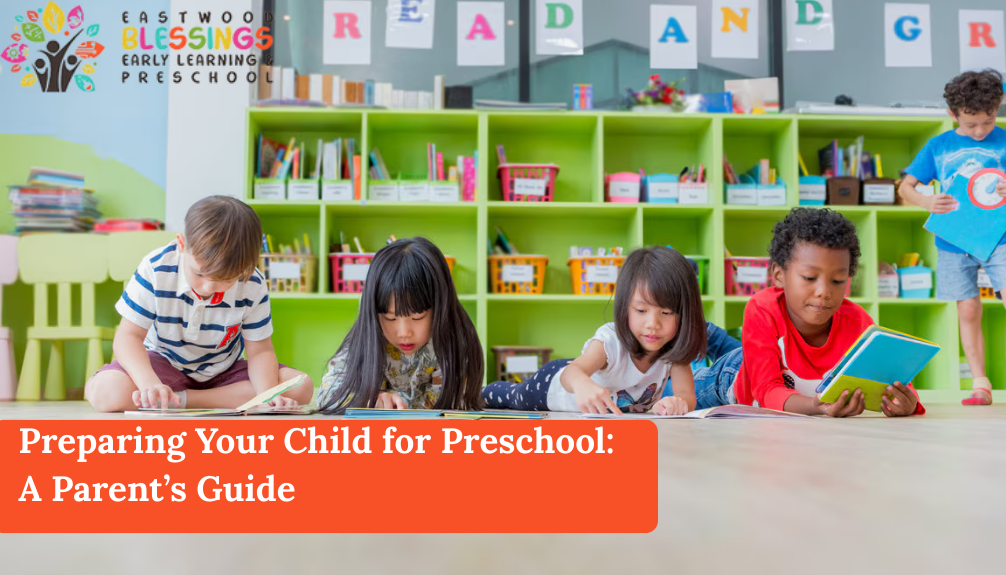

Starting preschool is one of the most exciting milestones for both children and parents. At Eastwood Blessings, we understand that early preparation helps children adjust smoothly, build confidence, and develop essential life skills. This guide provides practical strategies, from easing separation anxiety to fostering social skills and school readiness, so your child enjoys a positive preschool experience.
Why Preschool Readiness Matters
Preschool readiness is more than just learning letters and numbers. It includes emotional, social, and cognitive development that prepares children for structured learning environments. Children who are well-prepared experience smoother transitions, form friendships more easily, and enjoy learning from day one.
We emphasize School Readiness in Eastwood through play-based learning and early social skill development.
Signs Your Child is Ready for Preschool
- Self-care skills: Independent feeding, toileting, and dressing.
- Social skills: Sharing, taking turns, listening to instructions, and playing cooperatively.
- Emotional skills: Managing frustration, coping with small challenges, and brief separations from parents.
Recognizing these signs helps parents focus on areas that may need extra support before starting preschool.
Preparing Your Child for Preschool: Step-by-Step Tips
Establish a Routine
Children thrive on structure. Introduce regular sleep schedules, mealtimes, and play routines weeks before preschool starts. Creating “school-like” routines at home, such as morning reading or small group activities, helps children feel comfortable with classroom expectations. This builds a strong foundation for School Readiness in Eastwood.
Develop Independence Skills
Encourage your child to dress themselves, pack their bag, and manage basic self-care tasks. Role-playing school activities at home, like lining up, following instructions, and participating in group play, build confidence and independence, essential for early childhood social development in Eastwood.
Foster Social and Communication Skills
Arrange playdates or group activities to practice sharing, turn-taking, and expressing emotions. Reading books or engaging in storytelling sessions develops communication and empathy. These early experiences strengthen social skills for children in Eastwood and help them adjust comfortably to preschool environments.
Easing Separation Anxiety
Separation anxiety is a normal stage in early childhood. We support both parents and children through this transition, using gentle strategies to build confidence.
Start with Short Separations
Practice leaving your child with a trusted caregiver for brief periods, gradually increasing the time apart. Praise calm behavior and positive coping skills to build trust and confidence.
Prepare Your Child Mentally and Emotionally
Talk positively about preschool and what to expect. Read books or watch videos about starting school, which helps children visualize their new environment. Supporting emotional development in early childhood ensures a smoother adjustment.
Tips for the First Day of Preschool
The first day sets the tone for your child’s preschool experience.
Pack Essentials and Comfort Items
Include lunch, water, spare clothes, and a favorite toy or blanket to help your child feel secure.
Maintain a Positive Attitude
Children sense their parents’ emotions. Calm, confident goodbyes reassure them, reducing anxiety.
Communicate with Teachers
Share your child’s routines, preferences, and any concerns with teachers. Regular communication ensures challenges are addressed early, supporting both emotional and social development in early childhood.
The Importance of Play-Based Learning
Play is not just fun; it is the foundation of early learning. At Eastwood Blessings, we incorporate play-based learning activities that nurture curiosity, problem-solving, and creativity. Children learn essential concepts while engaging in hands-on experiences, promoting brain development in early childhood and preparing them for structured learning.
Benefits of Play-Based Learning
- Develops social skills through group interaction
- Enhances language and communication abilities
- Encourages emotional regulation and creativity
- Builds foundational cognitive skills for future academic success
Developing Social Skills for Children
Social skills are critical for success in preschool and beyond. Children who can interact positively with peers navigate challenges and build friendships more easily.
How to Support Social Skills at Home
- Encourage sharing and turn-taking during play
- Teach polite communication and problem-solving strategies
- Model empathy and understanding
At Eastwood Blessings, we focus on developing social skills for children through structured group activities and guided interaction.
Supporting Emotional Development in Early Childhood
Emotional development helps children manage feelings, cope with challenges, and form secure relationships. Techniques like naming emotions, practicing deep breathing, and storytelling support emotional development in early childhood. Preschoolers with strong emotional skills adapt better to new routines and social settings.
Boosting Brain Development in Early Childhood
Early experiences shape brain development significantly. Activities such as puzzles, music, art, and interactive play at Eastwood Blessings stimulate cognitive growth. Engaging children in diverse learning experiences supports memory, attention, problem-solving, and critical thinking skills, crucial for school readiness.
School Readiness in Eastwood
Preparing children for preschool is about more than academics. At Eastwood Blessings, School Readiness in Eastwood includes:
- Social and emotional preparedness
- Cognitive and language skills
- Independence and self-care abilities
- Exposure to structured routines and group learning
By addressing all these areas, children step into preschool confident and ready to thrive.
Tips for Parents: Supporting a Smooth Transition
- Talk about preschool positively: Use books and discussions to familiarize children with routines.
- Practice routines at home: Morning rituals, snack times, and group play help children adjust.
- Celebrate milestones: Acknowledge small successes, like staying at preschool confidently.
- Engage with teachers: Open communication ensures consistent support across home and school environments.
Additional Strategies for Early Childhood Social Development in Eastwood
- Encourage collaborative games to promote teamwork
- Organize group activities focusing on empathy and sharing
- Use role-play to teach problem-solving and conflict resolution
- Support social skills for children in Eastwood through guided peer interactions
Conclusion
Preparing your child for preschool sets the foundation for lifelong learning and success. By focusing on play-based learning activities, emotional growth, social skills, and structured routines, parents can support brain development in early childhood while easing transitions. Eastwood Blessings combines these strategies with nurturing care to ensure every child thrives, making the preschool experience enjoyable and rewarding.
Call to Action: Share your preschool preparation tips in the comments, or contact Eastwood Blessings to learn how we can support your child’s journey toward confident early learning.