
Choosing the right pre-preschool curriculum is one of the most important steps parents can take during their child’s early years. This stage is where curiosity is sparked, confidence begins to grow, and the foundations for lifelong learning are gently formed.
In Australia, families are increasingly seeking early learning programs that balance play, structure, and emotional development without rushing children into formal academics. At Eastwood Blessings, our approach to early education supports natural development while keeping learning joyful, flexible, and age-appropriate.
This guide explains what a pre-preschool curriculum is, why it matters, and how Australian families can support early learning both at home and within a trusted early learning centre.
What Is a Pre-Preschool Curriculum?
A pre-preschool curriculum is designed for children aged approximately 2 to 4 years, before they transition into a formal preschool program. It focuses on building essential developmental skills through play, exploration, and daily routines rather than structured classroom instruction.
In Australia, early learning frameworks emphasise whole-child development. A strong pre-preschool program supports children across multiple areas at once, helping them grow socially, emotionally, physically, and cognitively.
Key learning areas typically include:
- Early language and communication skills
- Basic number awareness and problem-solving
- Fine and gross motor development
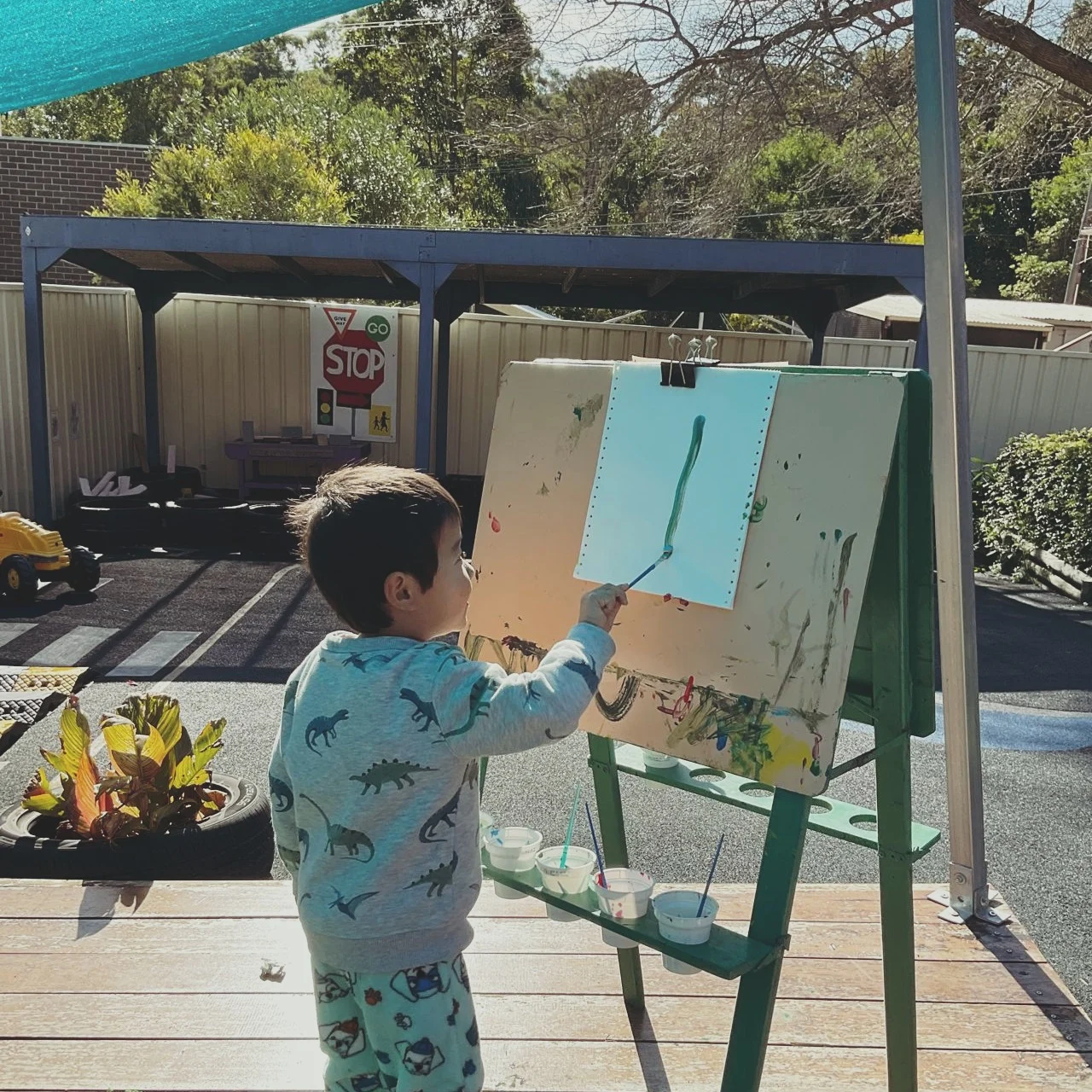
- Creativity through art, music, and movement
- Social skills such as sharing, listening, and cooperation
Rather than worksheets or academic pressure, learning happens naturally through everyday experiences.
Why Pre-School Learning Matters in Australia
Early childhood is one of the most rapid periods of mental development. Research shows that a child’s brain forms millions of neural connections each second during the early years, shaped by experiences, interactions, and play.
A well-designed pre-school curriculum in Australia helps children:
- Develop strong language and listening skills
- Build emotional regulation and confidence
- Improve coordination and physical strength
- Learn how to interact positively with others
- Build a healthy attitude toward learning
These early experiences make the transition into preschool and kindergarten smoother and less stressful. Families who later enrol children into structured programs, such as a kindergarten program, often notice children who attended pre-school learning adapt more easily to routines and group environments.
How Pre-School Differs from Preschool
Many parents wonder about the difference between pre-school and preschool. While both support early learning, their goals and structure are different.
Pre Preschool Curriculum | Preschool Program |
Ages 2–4 | Ages 4–5 |
Play-based and flexible | More structured learning |
Focus on social and emotional growth | Focus on school readiness |
Gentle routines | Timetables and transitions |
Exploration-led | Educator-guided learning |
Pre-school acts as a bridge between home life and formal education, helping children feel confident in group settings without pressure.
Core Elements of an Effective Pre-School Curriculum
A high-quality pre-preschool program includes a balance of guided experiences and child-led exploration. At Eastwood Blessings, our early learning philosophy aligns with best practices in Australian early childhood education.
Play-Based Learning
Play is the foundation of early learning. Through imaginative play, building activities, and hands-on exploration, children learn problem-solving, cooperation, and creativity.
Play-based learning also supports emotional development by allowing children to express ideas, test boundaries, and build resilience. You can explore how this works in practice through our approach to play-based learning.
Language and Communication Development
During the pre-preschool years, children rapidly expand their vocabulary. Storytelling, songs, conversations, and shared reading help strengthen listening and speaking skills.
Educators model language by naming objects, asking open-ended questions, and encouraging children to express their thoughts and emotions. These early communication skills support later reading and writing success.
Motor Skills and Physical Development
Pre-school learning supports both fine and gross motor development. Activities such as climbing, running, drawing, stacking, and threading help strengthen coordination and muscle control.
Outdoor play also encourages confidence, risk assessment, and physical independence. This physical foundation supports classroom readiness later on.
Social and Emotional Learning
Learning how to share, wait, listen, and manage emotions is a major focus of a pre-preschool curriculum in Australia. Children learn these skills naturally through group play and guided interactions.
Programs that support emotional development help children build empathy, confidence, and resilience. These skills are essential for a smooth transition into preschool and beyond.
Independence and Life Skills
Simple routines such as packing away toys, washing hands, or choosing activities encourage independence. These daily habits help children feel capable and confident.
At Eastwood Blessings, life skills are woven into everyday routines across all early programs, including our infant program and toddler program.
Sample Weekly Pre-Preschool Curriculum Plan
A flexible routine helps children feel secure while allowing room for exploration.
Day | Morning Focus | Afternoon Focus |
Monday | Nature walk and discussion | Painting and colour exploration |
Tuesday | Storytime and group conversation | Shape sorting and puzzles |
Wednesday | Music and movement | Baking and sensory play |
Thursday | Garden exploration | Playdough and fine motor activities |
Friday | Sensory bins and discovery | Free play and reflection |
This type of structure supports learning while remaining adaptable to each child’s interests and energy levels.
Creating a Pre-School Curriculum at Home
Parents can support early learning even outside a formal setting. A simple home-based pre-preschool curriculum does not require expensive materials or strict schedules.
Helpful ideas include:
- Reading daily and talking about pictures
- Singing songs and nursery rhymes
- Offering open-ended toys like blocks and crayons
- Encouraging outdoor exploration
- Involving children in simple household tasks
Consistency and connection matter more than perfection.
Learning in an Early Education Centre
Many families choose to combine home learning with professional care at an early learning centre in Eastwood. Educator-led environments provide social interaction, structured routines, and access to resources designed for early childhood development.
Centres like Eastwood Blessings align learning with Australian early education standards while maintaining a nurturing, family-centred approach. Families can explore our learning spaces through a virtual tour.
Preparing Children for Preschool and Beyond
A strong pre-preschool foundation makes the transition into preschool smoother. Children who have experienced early learning environments often:
- Feel more confident in group settings
- Follow routines more easily
- Communicate needs clearly
- Adapt to new educators and peers
These skills support later success in programs such as preschools near me and kindergarten.
FAQs About Pre-School Curriculum
What age is pre-preschool for?
Pre-school typically supports children aged 2 to 4 years before formal preschool.
Is pre-school necessary?
It is not mandatory, but it provides valuable social, emotional, and learning benefits.
Is pre-preschool play-based?
Yes, play-based learning is the foundation of most Australian pre-school programs.
Can pre-school help with school readiness?
Yes, it builds confidence, routines, and early learning skills that support school readiness.
How many days a week is ideal?
Most children benefit from 2 to 3 days per week, depending on their needs.
Does pre-preschool replace preschool?
No, it prepares children for preschool rather than replacing it.
Final Thoughts
A pre-preschool curriculum for Aussies is about nurturing curiosity, confidence, and connection during the most important early years. It supports development through play, relationships, and meaningful experiences rather than academic pressure.
At Eastwood Blessings, we believe early learning should feel safe, joyful, and purposeful. By blending structured guidance with child-led exploration, we help children build strong foundations that support lifelong learning and wellbeing.
For families seeking trusted early education support, pre-preschool learning is a powerful first step.