
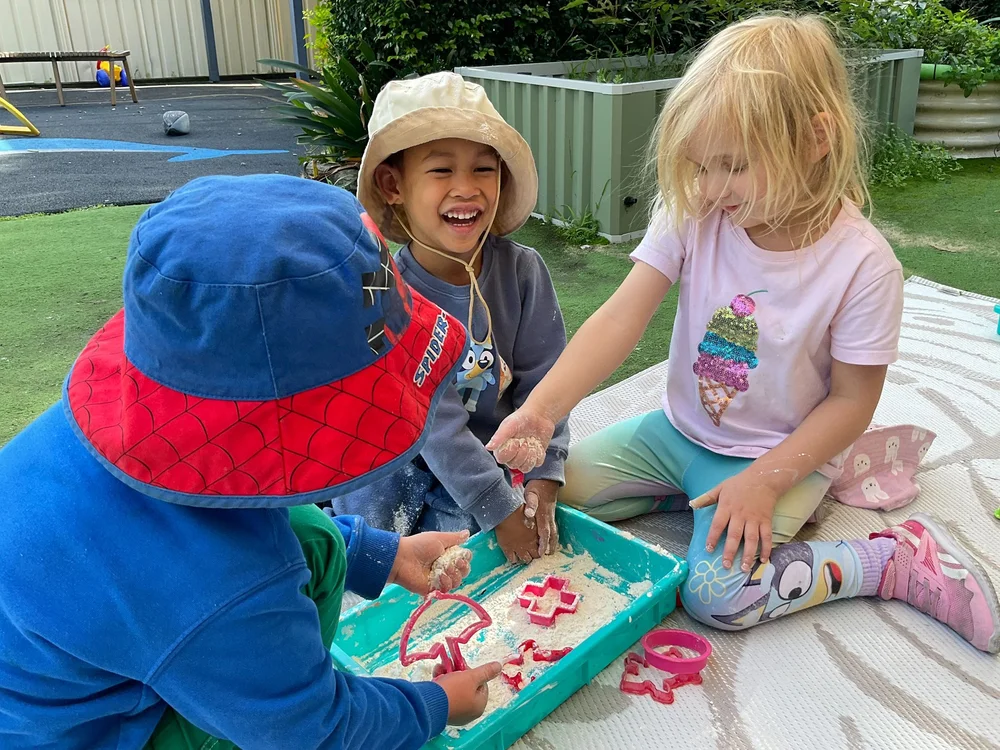

Choosing the right childcare at Eastwood Centre is one of the most important decisions a parent can make. The early years of a child’s life lay the foundation for emotional, cognitive, and social development. Parents searching for daycare near me often look for a place that blends safety, learning, and nurturing care.
At Eastwood Blessings, our mission is to provide quality childcare that goes beyond supervision. We create an environment where children can explore their creativity, form lasting friendships, and develop essential skills that last a lifetime. Parents can rest assured knowing their child is in a safe, caring, and stimulating space.
What Is Quality Childcare?
Quality childcare isn’t just about keeping children safe; it’s about guiding young minds through the earliest lessons of life. A high-quality early learning centre, Eastwood offers emotional, cognitive, and social support tailored to each child’s needs.
Children benefit from activities that encourage curiosity and problem-solving while also developing social and emotional intelligence. By combining structured routines with free play, children gain confidence and independence while feeling secure and valued. This approach ensures that learning is both engaging and meaningful, setting a strong foundation for their future.
The Importance of Early Learning
The first five years of life are critical. Children’s brains absorb experiences rapidly, shaping future abilities, personality traits, early childhood development, and learning habits. During this time, exposure to structured learning and interactive play has a lasting impact.
Parents who choose our programs at early learning centre Eastwood give their children an advantage in social interaction, communication, and adaptability. Early experiences in a nurturing environment can also reduce future behavioral challenges and foster lifelong curiosity and creativity.
| Benefit | Description |
| Language & Communication | Improved vocabulary, storytelling, and interaction skills |
| Self-Confidence & Independence | Children learn to make choices and solve problems |
| Social Adaptability | Easier integration into group settings and school environments |
| Smooth School Transition | Familiarity with structured learning routines and teamwork |
Key Features of Exceptional Childcare Centres
Not all childcare centres are created equal. The best centres combine safety, learning, and love while respecting each child’s individuality. Exceptional centres foster creativity, social skills, and emotional well-being while encouraging curiosity.
We focus on creating a supportive and structured environment where children can explore freely yet safely. Families benefit from transparent communication and educators who understand the unique needs of each child, ensuring a consistent and enriching early learning experience.
1. Safe and Stimulating Environment
Children grow best in environments designed to spark curiosity and creativity. Our classrooms and outdoor spaces are organized to provide a variety of hands-on learning opportunities and sensory experiences.
Safety is prioritized not only through clean facilities and secure structures but also by creating emotionally secure surroundings. Children can explore confidently, knowing they are protected while being encouraged to take positive risks that promote learning and growth.
2. Educators Who Truly Care
Our educators are trained to recognize the individual needs of each child. They build strong relationships through patience, encouragement, and daily support, ensuring children feel understood and valued.
By celebrating achievements, nurturing curiosity, and guiding social interactions, educators provide a strong foundation for emotional resilience and problem-solving skills. Children thrive when they have consistent, compassionate mentors who truly care about their well-being.
3. Learning Through Play
Play is the most natural way children learn, and at Eastwood Blessings, we provide play-based learning, which is carefully structured to encourage exploration, creativity, and skill development. Play teaches problem-solving, collaboration, and self-expression in a way that feels fun and engaging.
From building blocks to role-playing games, children experiment, learn from mistakes, and develop critical thinking. Play also helps children understand emotions, relationships, and social rules, preparing them for school and daily life in a meaningful way.
| Play Type | Learning Outcome |
| Block Building | Spatial reasoning & problem-solving |
| Role Play (kitchen, shop) | Social skills & empathy |
| Storytime & Puppet Shows | Language development & imagination |
| Outdoor Games | Coordination & teamwork |
4. Strong Parent Partnerships
We believe parents are active participants in their child’s development. Transparent communication, regular updates, and involvement in activities create a strong connection between home and childcare.
By sharing progress reports, photos, and observations, we empower parents to reinforce learning and growth at home. This collaborative approach ensures children experience consistency and support across all environments, enhancing their confidence and development.
5. Flexible Childcare Options
Families today need flexibility to manage work schedules, appointments, and other commitments. Our programs offer full-time, part-time, and drop-in options, allowing families to find the care that fits their unique needs.
Despite flexible scheduling, every child receives consistent, high-quality attention. Whether attending full-time or occasional sessions, children benefit from structured learning, creative play, and emotional support, ensuring no compromises on care quality.
Preparing Your Child for Daycare
Starting quality daycare programs can be an emotional transition for both children and parents. Preparing early helps children feel secure, confident, and excited about the experience.
Gradual introductions, positive reinforcement, and familiar comfort items ease separation anxiety. Our educators guide children with patience and empathy, helping them adjust naturally while building trust and excitement for new experiences.
Tips for a Smooth Transition
- Start Gradually: Shorter initial visits help children acclimate.
- Bring Comfort Items: Familiar toys or blankets reduce anxiety.
- Use Positive Language: Highlight fun, learning, and social opportunities.
- Maintain Routines: Consistent schedules foster trust and confidence.
Frequently Asked Questions (FAQs)
1. How to prepare a 2-year-old for daycare?
Introduce daycare gradually, maintain routines, and encourage positive discussions. Short visits, playful activities, and reassurance help children develop trust in caregivers and enjoy their new environment.
2. Is daycare beneficial for my child?
Yes. Quality daycare enhances social interaction, cognitive growth, emotional resilience, and communication skills, laying a strong foundation for school readiness and lifelong learning.
3. At what age should children start daycare?
Most centres accept infants from 6 weeks old, though many families start between 1 and 2 years, depending on readiness, comfort levels, and family needs.
4. How do I ensure my child’s safety at daycare?
Check for secure facilities, trained educators, hygienic spaces, and open communication channels. Consistent routines and caring staff are key indicators of a safe, high-quality childcare environment.
Choosing the Right Childcare Centre
Selecting the right childcare involves careful observation and thoughtful questions. Families should focus on the quality of educator-child interactions, learning opportunities, and overall environment.
At Eastwood Blessings, we ensure children thrive through structured learning, free play, and personalized attention. Parents can confidently select our centre knowing it balances fun, safety, and education effectively.
Supporting Families Every Step of the Way
We understand that trusting someone with your child is a major decision. Eastwood Blessings provides personalized support, guidance, and flexible options to meet the needs of modern families.
Our programs are designed to encourage independence while offering reassurance and care. Families can rely on our expertise to support their child’s growth, from early milestones to developing social and cognitive skills.
Cost Analysis of Childcare Options in Eastwood
Budgeting for childcare is an essential consideration. Investing in quality programs ensures children receive the best care while promoting development and well-being.
| Program Type | Weekly Cost (AUD) | Features |
| Full-time childcare | $350–$450 | Structured learning, meals, and outdoor activities |
| Part-time care | $150–$250 | Flexible schedule, play-based learning |
| Drop-in sessions | $50–$80 | Short-term, occasional care |
Investing in quality childcare is an investment in your child’s confidence, skills, and happiness.
Conclusion: Give Your Child the Best Start
Quality childcare is more than convenience; it provides a foundation for lifelong success. Children flourish when they feel safe, supported, and encouraged to explore the world around them.
At Eastwood Blessings, we combine care, learning, and flexibility to nurture young minds. Our programs ensure every child develops curiosity, confidence, and emotional resilience, creating a joyful and meaningful early learning experience.