
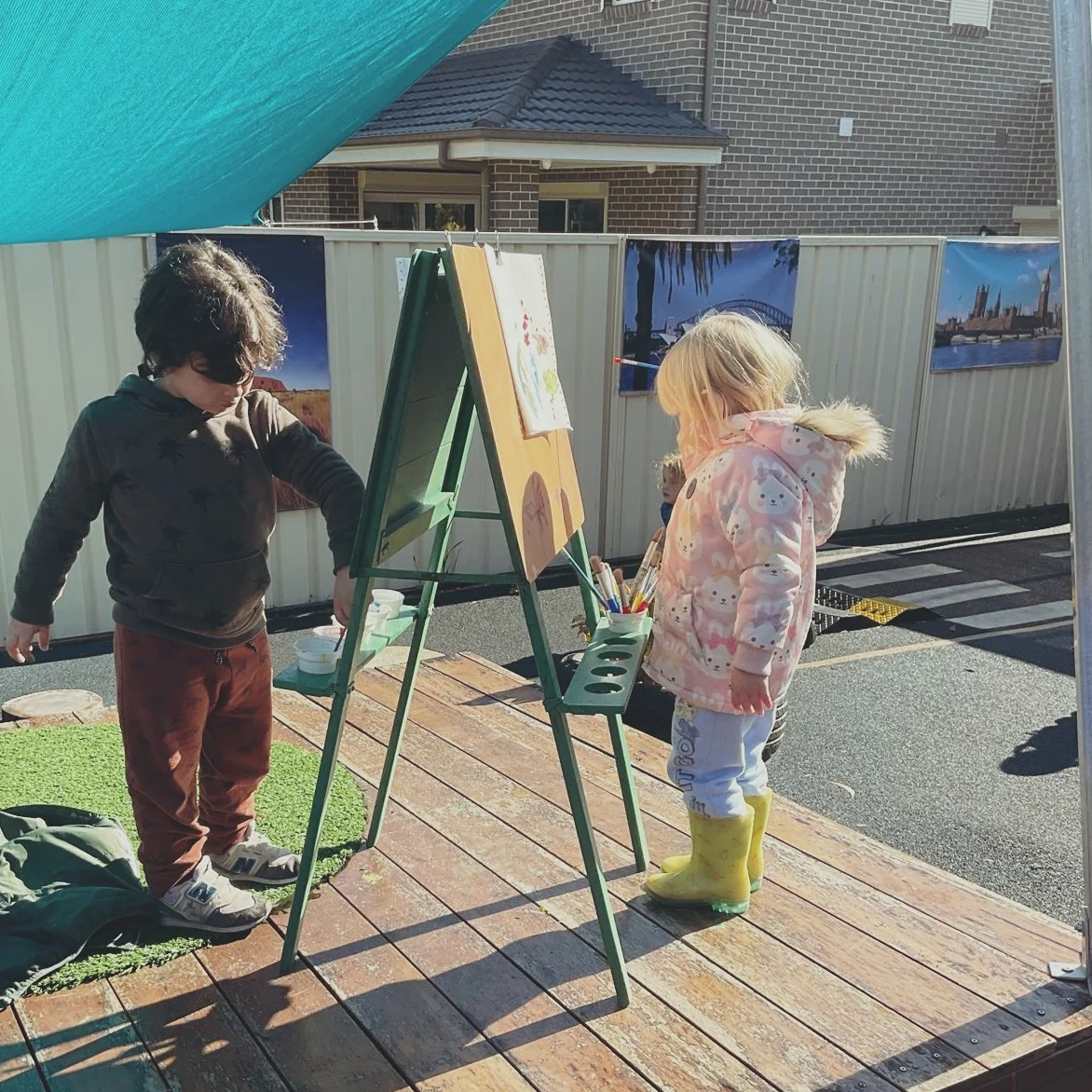

Choosing the right early learning centre in Eastwood is one of the most meaningful decisions a family can make. The early years of a child’s life lay the foundation for future learning, confidence, social skills, and emotional wellbeing. For many families seeking reliable child care Eastwood, a centre that balances nurturing care with purposeful education is key.
In this article, we explain why early childhood education matters, what to look for in a quality early learning environment, and how the right centre supports children’s growth from infancy through school readiness.
Why Early Childhood Education Matters
A Critical Window for Development
The first five years of life are marked by rapid brain development. During this period, connections in the brain form at a faster rate than at any other time. These neural pathways support language ability, emotional regulation, reasoning, and social interaction.
Children who experience responsive and nurturing environments early in life develop stronger communication skills, better emotional control, and approach learning with curiosity and confidence. Choosing a quality early learning centre Eastwood is not just about care but giving your child a strong start in life.
Holistic Growth Over Early Academics
Early childhood education should focus on holistic child development including emotional stability, motor skills, social interaction, and curiosity. These foundations make later academic success easier and more sustainable.
What Makes a Great Early Learning Centre in Eastwood
Choosing the right centre means looking beyond basic care. The best centres prioritise a warm, safe environment where children feel secure and supported as they explore the world around them.
Safety, Comfort, and Belonging
Children thrive when they feel safe and understood. In an inviting learning space designed for young learners:
- Soft natural lighting and calm spaces promote emotional stability
- Accessible learning materials encourage exploration
- A predictable daily routine builds confidence and security
Educators who observe children closely tailor experiences based on each child’s unique interests and developmental pace. For example, a quiet child might flourish in small group activities, while a more active learner might engage more deeply through hands-on play.
Qualified and Caring Educators
The heart of any quality early learning centre is its educators. These trained professionals understand how children learn through play, exploration, and relationships.
Educators track developmental milestones, communicate regularly with families, encourage positive behaviours, and adjust activities to meet individual needs. This personalized approach helps all children grow socially, emotionally, and intellectually.
Learning Through Play
Play as the Foundation of Learning
Learning through play is essential in early learning. Through play, children:
- Develop language and communication skills
- Practice problem-solving and creativity
- Build confidence and independence
- Learn cooperation and emotional understanding
Whether it is imaginative role play, building with blocks, or outdoor exploration, every activity is a learning opportunity. Collaborative puzzles teach patience and teamwork. Pretend play strengthens social language and empathy. Outdoor play supports motor skills and sensory development.
Supporting Families With Reliable Child Care Eastwood
Modern families often juggle work, schedules, and family responsibilities. Access to quality child care services in Eastwood gives parents peace of mind knowing their children are safe, happy, and engaged throughout the day.
Open Communication Builds Trust
Strong partnerships between educators and families are vital. Daily updates and ongoing conversations help families feel included in their child’s development journey. This reinforces consistency between home and school environments.
Flexible Child Care Options
Families today need convenient and flexible care hours. A great early learning centre offers options that align with working routines while maintaining structure and developmental focus.
Preparing Children for School With Confidence
School Readiness Without Pressure
As children near school age, the focus shifts toward school readiness Eastwood, helping them feel confident, capable, and excited for formal education.
This includes practising listening and communication, encouraging independence, learning to follow simple instructions, and sharing with peers. Quality early learning programs focus on foundational skills, ensuring children step into primary school with a positive mindset.
Building Emotional Strength Alongside Learning
Early childhood education is about more than cognitive skills. It also teaches children to manage emotions, make friends, and cope with small challenges. When educators encourage resilience and model empathy, children develop confidence and emotional intelligence that benefits them throughout life.
Connected Community Learning
Early learning is more meaningful when connected to the wider community. Great centres celebrate cultural and local events, involve families in activities, teach respect and kindness, and foster a sense of belonging. A community-focused approach helps children understand the world around them and supports families in feeling included.
Conclusion
The early years shape who children become. Choosing Eastwood Blessings sets the stage for confident learners, compassionate friends, and resilient problem-solvers. Children who feel understood, valued, and supported carry that confidence forward into school, relationships, and life.
Frequently Asked Questions
- What is the difference between a child care centre and preschool?
A child care centre supports infants through preschool while preschool focuses on the year before primary school. - When should a child start early learning?
Most children start between ages 2 and 4 depending on their readiness. - Why is play important in early learning?
Play helps children develop social, emotional, and cognitive skills naturally. - How do early learning centres support working families?
They offer flexible care hours and communicate daily with parents. - What is school readiness in early learning?
It is preparing children with basic skills, confidence, and independence for primary school. - How does early learning build emotional strength?
It teaches children to manage emotions, build relationships, and handle challenges.