
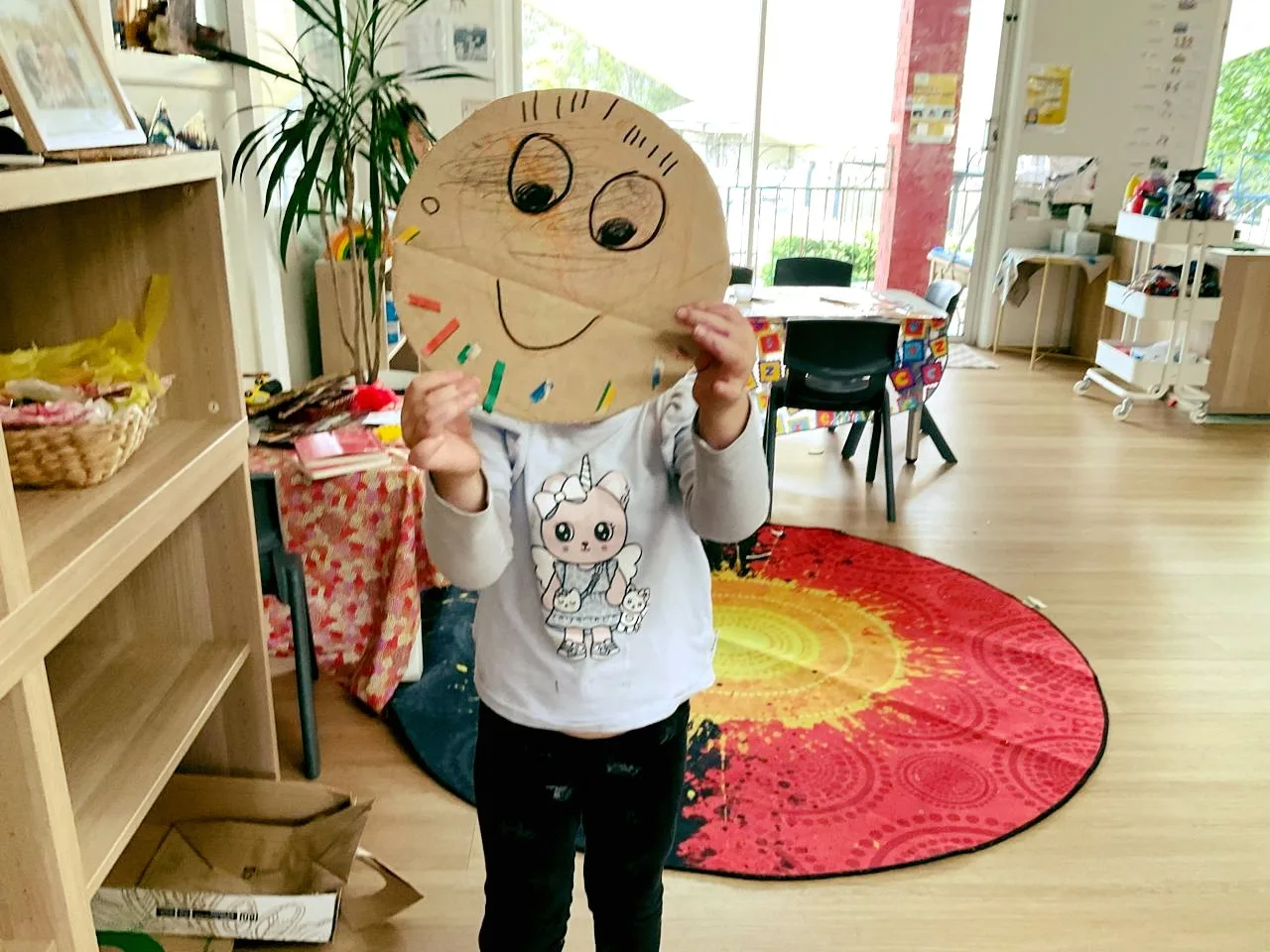

A nurturing environment in school is not just about kindness or decoration; it directly impacts how children learn, behave, and grow emotionally. When a school creates a safe and nurturing school environment, children feel secure, valued, and confident enough to explore their potential. Research consistently shows that students perform better academically and socially when they are supported in a positive school environment.
At Eastwood Blessings, we believe that education is not only about curriculum, but it’s also about building a caring school culture where every child feels seen, heard, and encouraged to grow.
What Is a Nurturing Environment in School?
A nurturing environment in school refers to a setting where children feel emotionally safe, physically secure, and socially supported. It creates a foundation where learning becomes natural rather than forced. Students are not afraid of making mistakes, asking questions, or expressing themselves.
This kind of nurturing learning environment promotes respect, empathy, and encouragement. Instead of fear-based discipline, guidance and support shape behavior and confidence.
It combines:
- Positive teacher-student relationships
- Emotionally supportive classrooms
- Clear behavioral expectations
- Encouragement instead of criticism
- Opportunities for social and emotional learning
When schools consistently apply these principles, they create long-term academic and emotional success.
Why a Nurturing Learning Environment Matters
A nurturing learning environment is essential because emotional safety directly affects cognitive performance. Children who feel supported are more willing to participate, collaborate, and problem-solve. Without emotional stability, even strong academic programs lose effectiveness.
Schools that focus only on grades often overlook how stress impacts learning. A supportive school environment reduces anxiety and builds resilience, allowing children to reach their potential.
1. Builds Emotional Security
Emotional security allows children to regulate their feelings and respond calmly to challenges. In an emotionally safe classroom, students are less defensive and more open to feedback. This security builds long-term confidence and independence.
2. Improves Academic Performance
Children learn better when their minds are not overwhelmed by fear or pressure. A positive school environment increases focus, comprehension, and retention. Supportive teachers create space for curiosity and deeper understanding.
3. Strengthens Social Skills
In a caring school culture, children learn how to cooperate, resolve conflicts, and communicate effectively. These social skills are critical not only for school but for life. Peer relationships improve when empathy is encouraged daily.
4. Encourages Confidence
Confidence develops when effort is recognized, and progress is celebrated. A nurturing environment in school shifts focus from perfection to growth. Students become more willing to try new challenges.
At Eastwood Blessings, we treat emotional growth as seriously as academic progress.
How Schools Create a Nurturing Environment in School Settings
Creating a nurturing environment in school requires intentional systems, not random acts of kindness. Leadership, teacher training, and consistent policies all contribute to a stable atmosphere. Without structure, nurturing becomes inconsistent.
Schools must combine emotional support with clear boundaries. Balance is critical, too much control creates fear, and too little creates chaos.
Strong Teacher-Student Relationships
Trust between teachers and students builds emotional safety. When children feel understood, they engage more actively in learning. Consistent communication and mentorship strengthen this bond.
Clear and Consistent Boundaries
Predictability helps children feel secure. Fair discipline policies and structured routines reduce confusion and anxiety. Boundaries teach responsibility while maintaining respect.
Social Emotional Learning (SEL)
A social-emotional learning environment teaches students how to manage emotions, build empathy, and handle challenges. These skills directly impact classroom behavior and academic focus.
Safe Physical Spaces
A nurturing preschool environment must feel welcoming and organized. Clean, structured, and engaging classrooms support concentration and emotional comfort.
Family Communication
Open communication with parents reinforces emotional stability. Schools with caring teachers keep families informed and involved in the learning journey.
The Impact of a Nurturing Environment on Child Development
The impact of a nurturing environment in school extends far beyond test scores. Emotional stability during childhood shapes adult confidence, resilience, and interpersonal skills. Early educational experiences influence long-term mental health and academic motivation.
A nurturing environment in early childhood programs is especially powerful because young children are highly sensitive to emotional cues. Consistent support during early years creates strong developmental foundations.
Emotional Development
Children develop self-awareness and learn to regulate their emotions effectively. This reduces impulsive behavior and builds maturity over time.
Social Development
Supportive environments improve peer relationships. Children learn cooperation, patience, and respect in structured social settings.
Cognitive Growth
Secure children are more curious and willing to explore new ideas. Curiosity drives deeper learning and stronger problem-solving skills.
Behavioral Improvement
Many behavioral issues stem from insecurity. A supportive school environment reduces stress-based reactions and promotes positive conduct.
Nurturing Preschool and Early Childhood Settings
In early childhood education, emotional security is inseparable from learning. A nurturing preschool environment ensures children feel safe before academic instruction begins. Young learners respond best to warmth combined with structure.
A nurturing daycare environment also supports routine and predictability, which are critical at early ages. Stability helps toddlers build trust in their surroundings.
A nurturing preschool environment should include:
- Gentle guidance
- Structured routines
- Play-based learning
- Emotional validation
- Encouragement of independence
We focus on creating a nurturing environment for toddlers and preschoolers that supports both emotional and cognitive development.
Signs of a Safe and Supportive School Environment
Parents can often sense whether a school has a nurturing environment within minutes of entering. The atmosphere feels calm, organized, and respectful. Students appear engaged rather than anxious.
A safe and nurturing school consistently reinforces positive behavior while addressing problems constructively.
Key signs include:
- Teachers speak respectfully to students
- Students feel comfortable asking questions
- Bullying policies are enforced
- Classrooms are calm and structured
- Students show confidence and engagement
A nurturing environment in school is visible through behavior, tone, and culture, not just marketing claims.
How Eastwood Blessings Builds a Caring School Culture
At Eastwood Blessings, building a nurturing environment in school is an operational priority, not a slogan. We align teacher training, classroom structure, and parent communication to maintain consistency. Every educator understands the role they play in emotional development.
We prioritize emotional safety before academic pressure. By integrating social-emotional development into daily routines, we create a supportive school environment where children feel secure enough to excel.
Our goal is simple: combine academic excellence with a genuinely caring school culture that prepares children for lifelong success.
FAQs About a Nurturing Environment in School
- What is a nurturing environment in school?
It is a safe, supportive setting where children feel emotionally secure and encouraged to grow.
- Why is a nurturing school environment important?
It improves academic performance, emotional regulation, and social development.
- How does a supportive school environment affect behavior?
It reduces stress-driven behavior and promotes positive interactions.
- What role do teachers play in creating a nurturing learning environment?
Teachers build trust, provide encouragement, and maintain consistent structure.
- Is a nurturing environment more important in early childhood education?
Yes, early emotional security strongly influences lifelong learning and behavior.
- How can parents identify a nurturing primary school environment?
Look for respectful communication, structured classrooms, confident students, and strong teacher engagement.