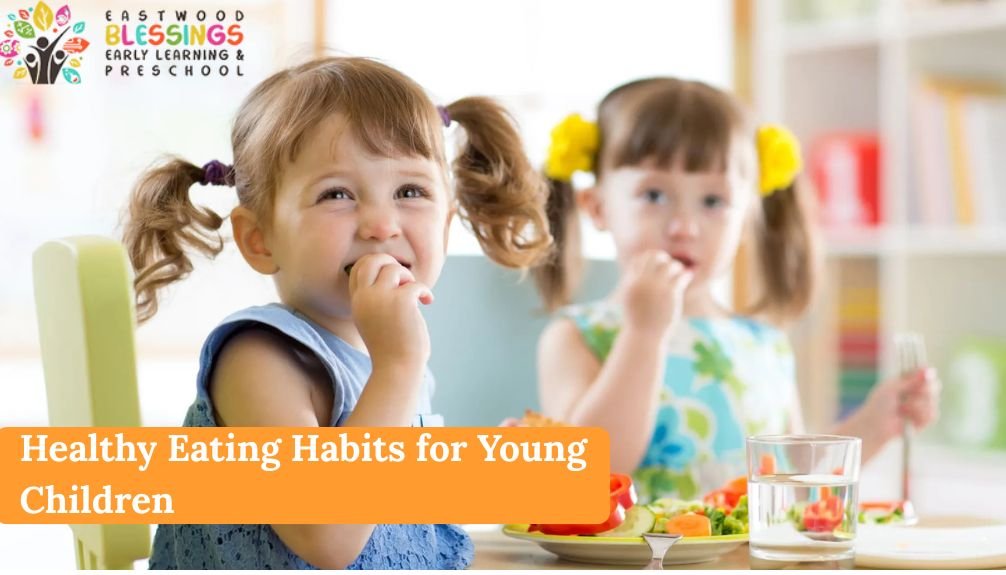

You don’t have to trip if your kid starts acting like a food critic and shoves their plate away. We’ve all been there. Toddlers are literally the most inconsistent beings on the planet. One minute, they’re eating bananas like it’s their job, and the next, they’re acting like a piece of fruit is a personal insult. Trying to feed them is honestly just a chaotic, messy fever dream.
But for real, raising a “healthy eater” isn’t about every meal being a 10/10. It’s more about the random success and failure, letting them see different foods without forcing it, and just keeping things relaxed. You’re not trying to train a mini nutritionist; you’re just trying to get them used to actual food and a basic routine.
Why Early Food Habits Shape More Than Just Appetite
The stuff kids eat when they’re little actually does a lot of the heavy lifting for how they’ll eat later on. Their taste buds are basically figuring out what’s “normal,” while their bodies learn how to handle being hungry or full. It’s also where their brains start linking food to things like comfort, stress, or just a bit of fun.
When kids get a decent run of healthy meals with different textures and flavours, it’s not just about them growing taller. It usually helps keep their moods more level, gives them better focus when they’re playing, and keeps their immune system and gut in good nick.
The main thing to remember is that this isn’t about one perfect lunchbox or a single dinner where they actually finish their veg. It’s what happens over weeks and years of just regular, slightly messy eating. Some days you’ll have it all sorted, and other days will be a total rush, but both are fine.
What a Balanced Diet for Toddlers Looks Like in the Real World
“Balanced diet” sounds like something out of a textbook, but it’s pretty straightforward when you look at the big picture. Instead of stressing over every single meal, just think about the whole day. Kids need energy from grains, vitamins from fruit and veg, protein to help them grow, dairy (or alternatives) for their bones, and some healthy fats for their brain.
Some meals are just going to be about comfort. Others will be full of colour. Over the course of the day, it usually evens out anyway. You’re just going for variety, not a perfect score. If breakfast is a bit basic, lunch can be a bit more substantial, and if they don’t eat much at dinner, snacks can do the rest of the work. Keeping a steady rhythm is what actually builds their health in the long run.
Preschool Meal Ideas That Actually Work at Home
Let’s talk about food that parents really use, not fancy recipes that look great online but never get eaten.
Many families find these meals easier to rotate through the week:
- Scrambled eggs with toast fingers and fruit
• Yoghurt mixed with banana and oats
• Chicken wraps with grated carrot and cucumber
• Pasta with veggie-rich sauce
• Rice with lentils or mild curry and peas
• Snack plates with cheese cubes, apple slices, and wholegrain crackers
Smaller portions usually work better than big plates. Colour also helps. When food looks fun and manageable, kids are often more willing to try it.
Creating a Simple Daily Meal Rhythm
Instead of constantly wondering what to feed next, many parents feel calmer when there’s a loose food flow to the day. Children thrive on predictability. When meals come around the same time each day, their bodies learn when to expect food, which often improves appetite and reduces constant snacking.
Here’s the kind of structure many families find helpful:
- Breakfast focused on energy
• Morning snack that’s light and fresh
• Lunch is the main balanced meal
• Afternoon snack to prevent late-day hunger
• Dinner as a comforting family meal
It doesn’t need to be strict. Just gently consistent.
Handling Picky Eating Without Turning Meals Into Stress
Almost every child goes through food refusal stages. It can feel worrying, but it’s usually a normal part of development.
What tends to work best long term is calm exposure instead of pressure.
- Offer new foods next to familiar ones
• Eat the same meals together
• Let them explore food with their hands first
• Keep offering even if they refuse
• Avoid forcing bites
Some kids need to see a food many times before trying it. That’s not failure. That’s learning.
Snacks That Support Healthy Eating
Snacks are often blamed for poor appetite, but when chosen well, they actually support nutrition. Good snacks usually combine:
- Energy foods like bread or fruit
• Protein like yoghurt, cheese, or nut spreads
• Something fresh like vegetables or berries
This keeps kids full longer and helps prevent sugar crashes. Snacks aren’t the enemy. Unbalanced snacks all day long are the problem. Thoughtful snacks are part of healthy meals for children.
Using Nutrition Guides as Support, Not Pressure
Many childcare centres follow a childcare nutrition guide based on Australian health recommendations. These focus on balanced meals, food safety, and appropriate portions.
You can explore general healthy eating advice and practical family-focused nutrition tips meant to guide and reassure, not overwhelm. Think of them as helpful tools, not strict rules.
Why Routine Makes Healthy Eating Easier
Routine quietly does most of the work for you.
When children know when food is coming, their hunger cues become clearer. This usually leads to calmer mealtimes, better appetite, and less random grazing.
A predictable flow also helps children feel secure, which often reduces food battles.
You don’t need a clock-based schedule. Just a familiar daily rhythm.
Yes, Treats Can Still Fit In
Healthy eating habits don’t mean cutting out fun foods forever. Birthday cake, ice cream on hot days, party snacks, and special treats are part of childhood. When nutritious meals are the everyday base, occasional treats don’t undo progress. In fact, allowing them to calm down often prevents food obsession later. Balance always works better than restriction.
Understanding Portions Without Overthinking
Toddlers are famous for eating heaps one day and barely anything the next. This usually balances out naturally. A simple approach is to offer small portions and let your child ask for more. This encourages them to listen to hunger cues instead of eating because of pressure. Most children regulate well when meals stay relaxed.
Basic Food Safety That Actually Matters
Keeping food safe is just as important for their health as picking out the nutritious stuff. It’s the simple things: give the fruit and veg a proper wash, stick leftovers in the fridge straight away, make sure meat is cooked through, and chop everything into toddler-safe bits. Definitely steer clear of the big choking hazards like whole nuts or hard grapes while they’re still small.
Those little habits really do make a massive difference and help you prepare healthy meals for children with ease.
When It’s Worth Getting a Bit of Extra Help
Most of the time, that picky phase just passes on its own, but it’s worth a chat with someone if you notice they’re only eating a tiny variety of things for ages. If they seem to be getting sick constantly, aren’t growing much, or get really anxious whenever it’s time to eat, don’t sweat it—just go see a GP or a child health nurse. They’re there to give you a bit of reassurance or a plan if you need it.
How Childcare Helps Out with Nutrition
Good childcare centres are actually great for backing up those healthy habits. They’ve usually got structured mealtimes, balanced menus, and they’re good at modelling positive eating. When the routine at home and the vibe at childcare are on the same page, kids usually get the hang of healthy eating a lot faster.
If you’d like to see how nutrition is supported in a nurturing early learning setting, you can explore more at Eastwood Blessings.
A Simple Daily Meal Example for Healthy Meals for Children
| Time of Day | Goal | Example |
| Breakfast | Energy + fruit | Porridge with banana and berries |
| Morning snack | Light + fresh | Apple slices with yoghurt |
| Lunch | Balanced meal | Rice, vegetables, and chicken |
| Afternoon snack | Filling but small | Toast with peanut butter |
| Dinner | Comfort + nutrients | Pasta with veggie-rich sauce |
This is just a guide, not a rulebook.
Frequently Asked Questions
How many meals should young children eat each day?
Most young children do best with three main meals and two to three snacks spread across the day. This keeps energy steady and prevents extreme hunger.
What if my child refuses vegetables completely?
This is very common. Keep offering small amounts regularly without pressure. Try mixing vegetables into sauces, soups, and familiar foods. Over time, many children become more open.
Are smoothies a good option for picky eaters?
Smoothies can be helpful when packed with fruit, yoghurt, oats, and even mild vegetables like spinach. They shouldn’t replace meals constantly, but they can support nutrition.
Should I worry if my toddler eats very little on some days?
Fluctuating appetite is normal. Look at what they eat across several days instead of one meal.
Can snacks really be healthy?
Yes, when balanced properly. Snacks that include protein, fibre, and fresh foods support energy and growth rather than harming appetite. These can be additions to healthy meals for children.
Conclusion:
You don’t need perfect plates to raise healthy eaters, but what matters most is consistency, variety over time, relaxed meals, and gentle routines. Some days will be simple, some days will feel amazing, and some will feel chaotic. All of them still count. Healthy eating habits for young children grow slowly, quietly, and naturally when food feels safe, normal, and enjoyable. And if you’re thinking about it this much already, you’re doing a great job.