
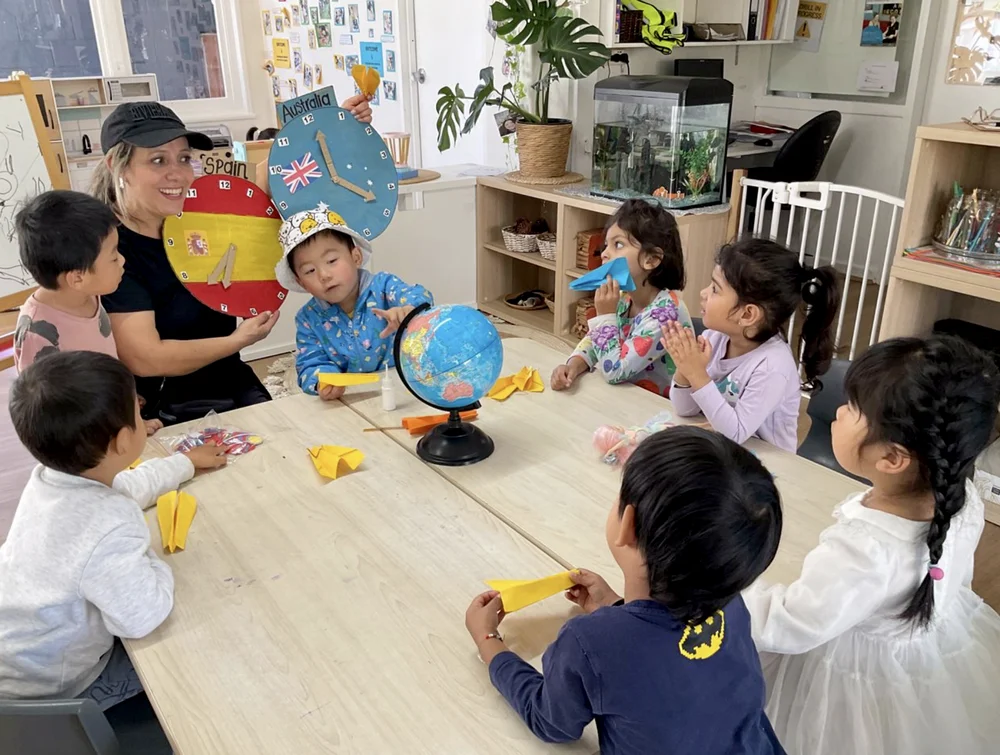

Choosing the right primary school is one of the most important decisions a family can make. The foundation set during these early years shapes not just academic skills, but a child’s confidence, social abilities, and love for learning. For families in Eastwood, selecting a primary school that balances academics with emotional support and community connection can make all the difference in a child’s development.
Eastwood primary schools are recognized for their nurturing environments, where children are guided to grow with confidence rather than pressure. From personalized learning strategies to opportunities for social and emotional growth, these schools aim to prepare children for success both inside and outside the classroom.
Why the Primary Years Matter More Than We Think
The primary years, typically ages five to twelve, are more than just the time children learn reading, writing, and math. These formative years lay the groundwork for how children think, solve problems, handle emotions, and form relationships. Research from Australian education authorities shows that students who feel safe, supported, and valued in primary school are more likely to stay engaged with learning throughout high school and beyond.
A nurturing primary school environment ensures that children are not just pushed to achieve academic milestones, but are also encouraged to explore, ask questions, and develop curiosity. The goal is to create learners who feel capable, resilient, and supported, rather than stressed or overwhelmed.
What a Nurturing Primary School Looks Like
A nurturing primary school does not mean lowering standards. Instead, it focuses on meeting children where they are, understanding their individual learning styles, and guiding them forward with care and consistency. In practice, this includes:
- Teachers who understand diverse learning styles: Every child learns differently. Educators in nurturing schools adapt lessons to meet individual needs, ensuring no child is left behind.
- Classrooms that encourage questions: Children are invited to ask questions, explore ideas, and engage in discussions rather than only provide correct answers.
- Strong communication with families: Regular updates and collaboration between teachers and parents help children feel supported both at home and in school.
- Clear routines and emotional safety: Predictable structures in the classroom create a sense of security, helping children focus on learning rather than anxiety.
When children feel understood and supported, they are more willing to take risks, try new things, and learn from mistakes, critical skills for lifelong learning.
Building Confidence Alongside Academic Skills
Confidence is one of the most important outcomes of a primary school experience. Children who believe in themselves are more likely to participate in class, explore new ideas, and persevere through challenges. A supportive learning environment nurtures confidence through everyday moments, such as:
- Presenting ideas in front of classmates
- Solving problems with guidance rather than criticism
- Celebrating effort and progress, not just results
Over time, these experiences help children develop resilience, independence, and a sense of responsibility for their own learning. Schools that focus on holistic development ensure that students grow not only academically but also emotionally and socially.
Early Foundations: Preparing for Primary School
Many children begin primary school with experiences from early childhood education settings that help them transition smoothly. Families in Eastwood often consider options like Eastwood Blessings to provide children with early social, emotional, and literacy skills.
These early experiences help children adjust to school routines, work in groups, and follow instructions. When children feel familiar with structured learning environments before starting primary school, their first year becomes an exciting opportunity to grow rather than a stressful adjustment.
Supporting Social and Emotional Growth
Learning in primary school is never purely academic. Children bring their emotions, friendships, and daily challenges into the classroom. Strong Eastwood early learning programs recognize this and actively support social and emotional development alongside academics.
Key strategies include:
- Structured programs that teach empathy and emotional awareness
- Opportunities for teamwork and collaborative projects
- Clear expectations around kindness, respect, and inclusion
Children who develop these social skills early are better equipped to navigate challenges, form healthy relationships, and thrive in every stage of life.
The Importance of Community and Belonging
A sense of belonging plays a critical role in a child’s school experience. Schools that engage with their local communities and foster family involvement create stronger support networks for students. Centres like Lakeside Creative Minds emphasize open communication, shared values, and active family participation.
When educators and families work together, children receive consistent messages about learning, behaviour, and self-worth. This partnership between school and home ensures that children feel supported in every aspect of their development.
Learning Beyond the Classroom
Modern primary education goes beyond textbooks and worksheets. Schools in Eastwood understand that children learn best through a blend of structured lessons and hands-on experiences. Excursions, creative projects, and real-world problem-solving activities help children apply what they learn in practical ways.
Many schools collaborate closely with early learning centres to ensure continuity in teaching approaches. This smooth transition supports children as they move from preschool into formal schooling, reinforcing confidence and familiarity with classroom routines.
What Parents Look for in a Primary School
While every family has unique priorities, common factors parents consider when choosing a primary school include:
- Qualified and approachable teachers who understand each child’s needs
- A calm, welcoming learning environment that supports curiosity and engagement
- Transparent communication with parents about academic progress and well-being
- Holistic support for both academic and emotional development
Parents value schools that recognize every child as an individual, allowing students to progress at their own pace while building confidence and essential life skills.
Preparing Children for the Future, Not Just the Next Grade
The goal of primary education is not only strong academic performance but also developing adaptable thinkers and confident learners. Schools that prioritize creativity, problem-solving, and emotional intelligence equip students with skills they will use long after they leave the classroom.
By focusing on holistic child development, Eastwood Primary Schools help students become independent thinkers, resilient problem solvers, and lifelong learners, preparing them for success in a rapidly changing world.
A Learning Environment That Grows With the Child
Children grow quickly, and effective primary schools adapt to their evolving needs. As students progress through the grades, teachers gradually offer more independence, responsibility, and leadership opportunities. This approach fosters ownership over learning, builds confidence, and encourages critical thinking.
When children leave primary school feeling capable, curious, and supported, they are not just ready for high school; they are equipped to approach life with confidence and a love of learning.
Conclusion
Choosing Eastrwood Blessings Primary School in Eastwood is about more than academics; it’s about finding a nurturing environment where children can thrive socially, emotionally, and intellectually. Schools that focus on holistic development, strong family partnerships, and supportive learning environments help children become confident, resilient, and motivated learners.
From early foundations in child care and early learning centres in Eastwood to personalized attention in primary school classrooms, families have a variety of options to ensure their child’s success. Investing in a nurturing primary school environment today sets the stage for a lifetime of learning and growth.