
Choosing the right preschool can feel overwhelming for many families. Parents want more than just supervision. They want a nurturing environment where their child’s emotional care, learning, and growth are prioritized. Early childhood sets the foundation for future success, shaping how children think, socialize, and explore the world around them.
In this guide, we will explore preschool learning and development, what makes a quality early learning setting, and how parents can find the best preschool program for their child.
Why the Early Years Matter More Than We Think
The first five years of life are the most critical period of brain development. Up to 90 percent of brain growth happens before age five. Everyday moments, playing with friends, shared reading, outdoor exploration, and responsive interaction with caregivers make a lasting impact on how children learn, communicate, and develop emotionally.
Rather than rushing academic tasks, effective preschool learning focuses on building:
- Communication skills
- Emotional regulation
- Problem‑solving
- Independence
- Curiosity and confidence
These foundational skills matter far more in the long term than simple m
A Balanced Approach: Care and Learning Go Hand in Hand
Parents today are aware that children thrive in environments where learning feels natural, not forced. The best preschool programs blend emotional care with structured learning activities.
At quality early learning centres, routines are predictable, which helps children feel secure. Teachers respond to individual needs, giving support when needed and space when appropriate. Learning happens through play, exploration, and interaction.
When children feel safe and emotionally supported, they are more willing to take healthy risks, try new activities, build friendships, and express themselves. This strengthens both emotional resilience and academic readiness skills, leading to confident learners.
Learning Through Everyday Experiences
Children learn best when lessons feel meaningful and connected to real life. Preschool education that focuses on play based learning supports natural curiosity and allows children to make sense of their world through firsthand experiences.
Examples include building with blocks, role play games, nature exploration, and group storytelling. Instead of worksheets, children engage in activities that strengthen vocabulary, memory, creative thinking, social interaction, and collaborative problem solving.
Play based learning also helps children naturally develop concepts like sorting, counting, shapes, patterns, and cause and effect. These experiences set a strong foundation for formal learning later on.
Social Skills That Shape the Future
For many children, preschool is their first experience in a group outside the family. This is where critical social skills begin to form.
In Eastwood Blessings, children learn to share and take turns, express feelings appropriately, listen to others, follow simple routines, and handle small conflicts with guidance. Educators guide children through conversations instead of immediately solving disagreements, encouraging empathy, patience, and cooperative thinking.
Supporting Emotional Growth for Lifelong Confidence
Emotional care is just as important as academic readiness. Children who feel understood and supported develop strong self esteem, emotional regulation, confidence in trying new things, and comfort expressing needs.
Emotional care is just as essential as school readiness. Children who feel understood and supported develop:
- Strong self‑esteem
- Emotional regulation
- Confidence in trying new things
- Comfort expressing needs
Preschool educators who prioritize emotional well‑being:
- Use calm and consistent guidance
- Listen actively
- Validate children’s feelings
- Encourage self‑expression
This approach helps children form a positive sense of self, something that becomes the backbone of resilience and motivation throughout their lives.
Preparing Children for a Smooth Transition to School
A high quality preschool does not pressure children to perform academically before they are ready. It focuses on school readiness skills that help children transition confidently into primary education.
These skills include comfort holding a pencil, recognizing simple patterns or shapes, following multi step instructions, participating in group routines, and showing interest in books and numbers. Children who enter school with these skills are better able to focus in class, participate actively, adapt to structured learning, and form positive relationships.
The Learning Environment Matters
Physical spaces play a powerful role in how children learn and behave. Effective preschools intentionally design their spaces to be bright and welcoming, organized with clear learning areas, safe yet challenging, and accessible for a variety of activities.
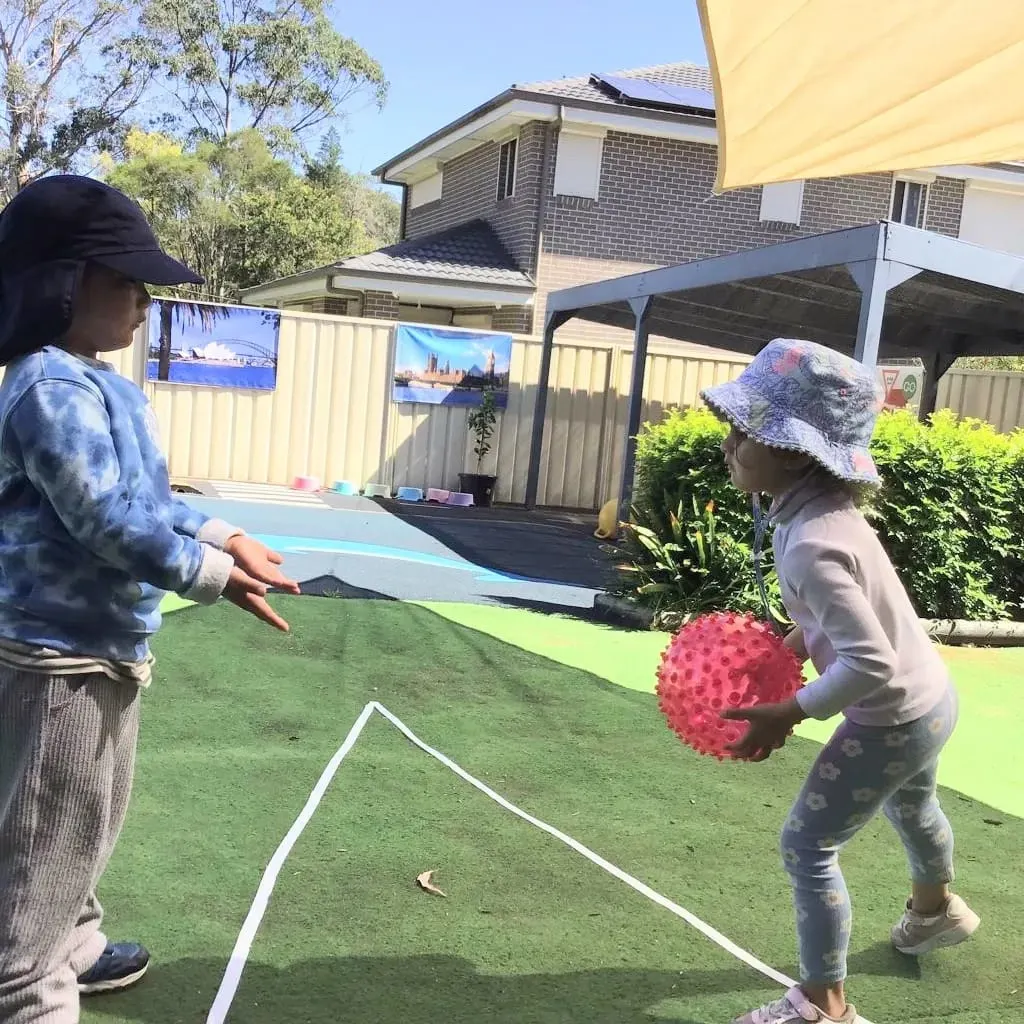
Children respond well to environments where they can move freely, find materials easily, and make choices. Outdoor play areas promote physical development, risk assessment, and imaginative play. Thoughtful learning environments help reduce anxiety, promote independence, reinforce routines, and encourage exploration.
Learning From Other Childcare Models
Looking at broader early childhood care approaches can give valuable perspective. Flexible childcare programs and day care models emphasize routines that balance structured learning and free play, adaptable schedules to support family needs, and inclusive practices that respect developmental differences.
While locations and names may vary, the goal remains the same: consistent, high quality experiences that help each child grow socially, emotionally, and intellectually. Understanding these broader models helps preschools refine their practices and respond to modern family needs.
Partnering With Families: The Heart of Preschool Success
Strong preschool experiences do not happen in isolation. When educators and families work together, children benefit from a consistent and supportive learning environment.
Effective family partnership practices include daily communication about activities and milestones, collaborative conversations about goals and concerns, opportunities for family involvement, and sharing observations from home and school. Families are encouraged to be active participants, building trust, consistency, and shared understanding.
Tips for Choosing the Right Preschool for Your Child
Every child is unique, and the best preschool fit depends on personality, needs, and family values.
Helpful tips include observing how educators interact with children, noticing how transitions are handled, looking for warm and responsive teaching styles, asking about daily schedules and routines, understanding how emotional care supports learning, and evaluating play based learning activities. Small details during preschool tours often reveal more than brochures.
Conclusion: Early Years Set the Stage for Lifelong Success
Early childhood education is not about rushing academic achievement. It is about protecting childhood while nurturing curiosity, emotional resilience, confidence, and social competence.
When children feel cared for, listened to, and encouraged to explore, they develop a love for learning that carries into primary school and beyond. Choosing Eastwood Blessings means finding a place where emotional care and safety come first, learning is natural and joyful, and growth is supported at every step.
FAQs
What is play based learning in preschool?
It is learning through hands-on activities that feel natural and engaging for children.
How does preschool support emotional development?
Preschool encourages children to express feelings and build self confidence.
When should a child start preschool?
Most children start preschool between ages three and five.
What skills do children learn in preschool?
Children develop social, communication, problem solving, and basic academic readiness skills.
How can parents choose the right preschool?
Look for caring educators, supportive routines, and a safe learning environment.
Why are early years important for learning?
The early years shape brain development, social skills, and lifelong curiosity.